
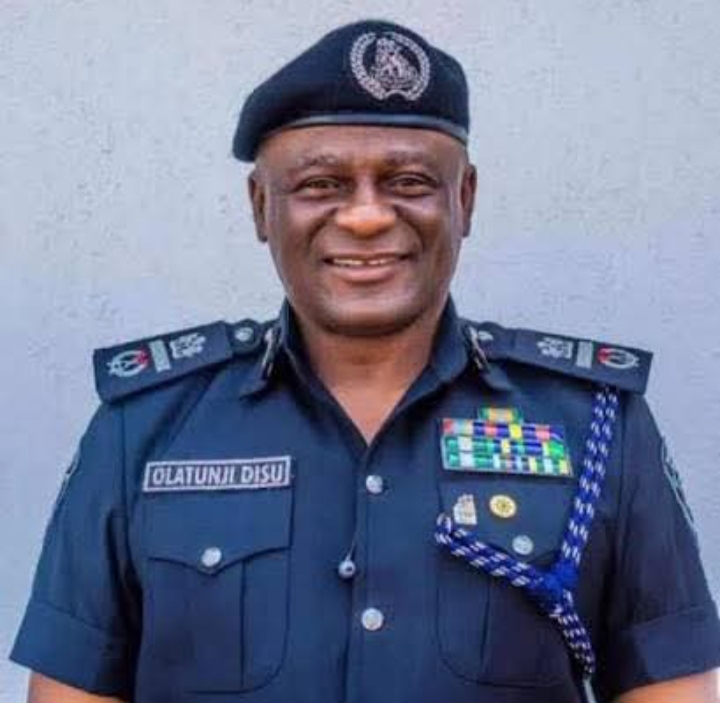
By George Omagbemi Sylvester
The appointment of Tunji Disu as the acting Inspector General of Police (IGP), just 48 days short of the mandatory retirement age of 60, has reignited debates over meritocracy, institutional efficiency, and regional considerations in Nigeria’s police leadership. Disu, previously an Assistant Inspector General (AIG), will retire in less than two months, yet he has been elevated over Deputy Inspector General Frank Mba, 52, who has eight years of service remaining and is widely regarded as a seasoned, capable officer.
Critics argue that such decisions undermine decades of investment in the professionalisation of the Nigeria Police Force (NPF). Senior officers undergo extensive training, including courses in strategic leadership, crisis management, counter-terrorism, and intelligence analysis. By bypassing officers like Mba, observers say the system risks wasting institutional knowledge and disrupting continuity at a critical level of command.
Regional dynamics are also under scrutiny. Disu hails from Lagos (Yoruba), while Mba is from Enugu (Igbo). Analysts note that this pattern is consistent with previous IGP appointments, including that of outgoing IGP Kayode Egbetokun, where political and regional considerations appeared to influence leadership decisions. While Disu is competent, critics contend that the appointment prioritises political balancing over operational efficiency, sparking concerns about the integrity of Nigeria’s security architecture.
Public reactions have been mixed. Some social media commentators argue that Disu’s leadership, though brief, may offer fresh perspectives at a time when the NPF faces increasing challenges, including insurgency in the North-East, banditry in the Northwest, and rising urban crime. Others lament the lost opportunities for career officers like Mba, warning that such decisions could demoralise younger officers, erode loyalty, and affect performance during a critical period for national security.
Security experts highlight that short-tenure appointments at the apex of the police hierarchy can disrupt policy continuity, weaken institutional memory, and hinder long-term reforms. They stress that Nigeria’s substantial annual investments in police training, modernisation, and operational readiness must be matched by merit-based appointments that reward competence and experience.
As Disu assumes his brief tenure, the debate over his appointment underscores enduring tensions within the NPF: the struggle to reconcile regional representation, political expediency, and operational competence. How he navigates the role in his remaining days could set precedents for future appointments and influence the morale of senior officers across the nation.





Leave a Reply