

By George Omagbemi Sylvester
Middle East crude oil benchmarks surged to all‑time highs on Tuesday, March 17, 2026, as geopolitical tensions in the Gulf and ongoing conflict involving the United States, Israel and Iran roiled global energy markets. Latest data compiled by the Reuters news agency show prices for key Middle East grades climbing above previous records, making them the most expensive crude in the world.
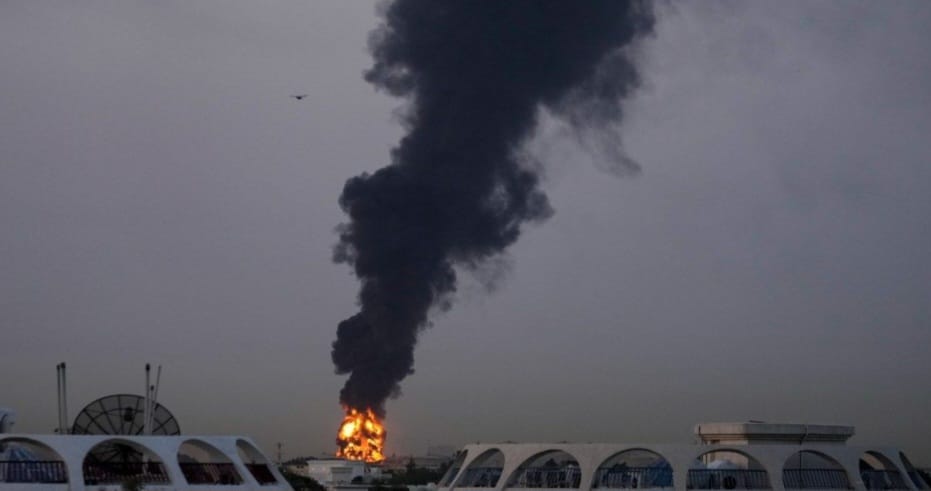
Market analysts point to the intensifying Middle East war (including missile strikes, drone attacks, and risks to vital shipping routes such as the Strait of Hormuz) as the primary driver of the unprecedented price spike. The strait accounts for roughly 20 percent of global oil shipments, meaning any disruption can have far‑reaching effects on supply and energy security.
Traders reacted to heightened risks of supply bottlenecks, while insurance costs for tankers traversing the region’s waters soared. Benchmark grades such as Dubai/Oman crude saw particularly sharp gains, reflecting fears that prolonged conflict could sharply tighten available export capacity from Gulf producers.
Investors have also moved capital into energy assets and commodities seen as safe havens amid the turmoil, further boosting crude valuations. The price surge is contributing to higher fuel costs for consumers and increased inflationary pressures in many economies, with emerging markets especially vulnerable.
Economists warn that if the conflict persists or expands further, oil prices could remain elevated or climb even higher, threatening global economic growth and placing additional strain on energy‑dependent industries worldwide.






Leave a Reply