

By Paul Joseph
Lebanon’s parliament has voted to postpone the country’s legislative elections for two years as tensions linked to the conflict between Israel and the Iran-backed group Hezbollah continue to intensify.
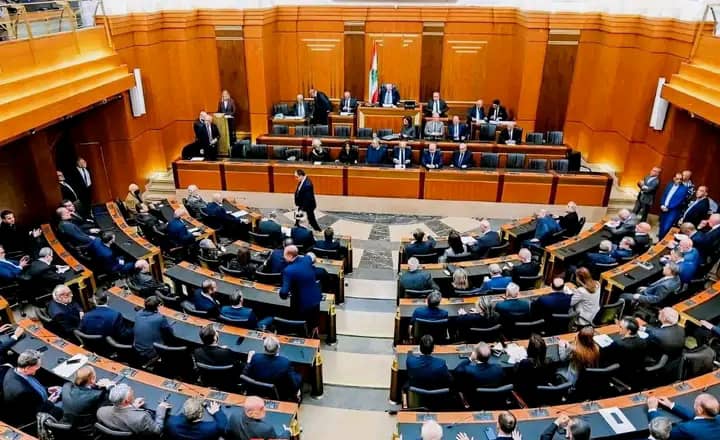
The announcement was made Monday by Parliament Speaker Nabih Berri, who confirmed that lawmakers approved an extension of the current parliament’s mandate until 2027. The vote effectively delays elections that were initially scheduled for May.
Parliamentarians met in the capital, Beirut, to debate and approve the extension while Israeli aircraft were reportedly flying over parts of the city’s southern suburbs.
Members of Hezbollah’s 13-seat parliamentary bloc attended the session, including the group’s parliamentary leader Mohammed Raad, as lawmakers cast their votes on the measure.
In the most recent parliamentary elections in 2022, Hezbollah and its allies lost their majority to rival political factions and independent candidates who rose from Lebanon’s 2019 protest movement. Since then, the legislature has remained sharply divided along political lines.
Even before the latest escalation between Israel and Hezbollah, some Lebanese political groups had advocated postponing the elections, reportedly with encouragement from officials in the United States.
At the same time, the Lebanese government has recently signaled plans to move toward disarming Hezbollah — a proposal the group firmly rejects as it attempts to rebuild its influence after suffering heavy losses during clashes with Israel.
The postponement adds another layer of uncertainty to Lebanon’s already fragile political landscape as the country navigates both internal divisions and mounting regional tensions.


Leave a Reply