
By Paul Joseph
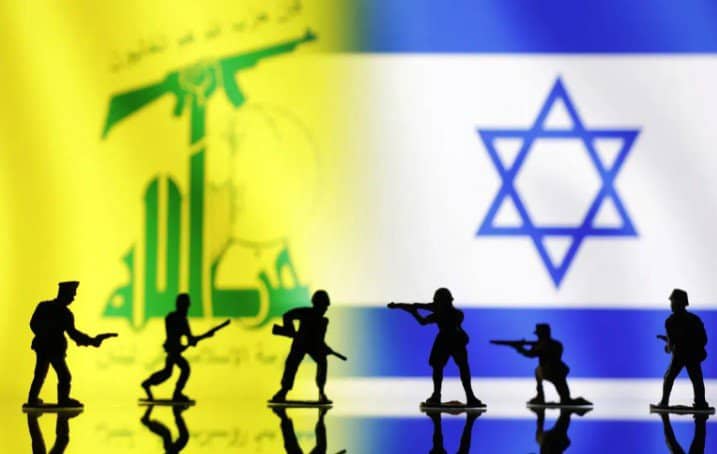
Heavy exchanges of fire between Israel Defense Forces and Hezbollah have intensified along Lebanon’s southern border, as regional tensions escalate following a major strike on Iran.
According to the Lebanese Ministry of Public Health, Israeli air strikes in Beirut and southern Lebanon have killed at least 31 people and injured 149 others. The bombardment marks one of the deadliest days in Lebanon since cross-border hostilities resumed.
The violence comes amid widening instability across the Middle East. Apparent Iranian strikes have been reported around the region, with explosions heard in Bahrain and Dubai, while smoke was seen rising near the United States Embassy in Kuwait.
On Sunday, an Iranian missile strike killed nine people in Beit Shemesh, central Israel, according to Israeli emergency officials. In Cyprus, a British Royal Air Force base was targeted in what the UK Ministry of Defence described as a “suspected drone strike.”
The United States Department of Defense earlier confirmed that three US service members had been killed in action, though it did not disclose the location of the incident.
Images from Lebanon show heavy traffic congestion on highways leading into Beirut, with residents attempting to flee affected areas. Some motorists were seen abandoning vehicles amid fears of further escalation.
Airspace closures across the Gulf have caused widespread travel disruption, with multiple international carriers rerouting or cancelling flights.
Meanwhile, global oil prices surged when markets opened in Asia on Monday, reflecting investor concerns that a prolonged conflict could threaten energy supplies across the region.
The latest exchange of fire signals a dangerous expansion of hostilities beyond isolated incidents. Hezbollah has said it is responding to Israeli operations, while Israeli officials argue their strikes are aimed at preventing further attacks.
Diplomatic efforts are reportedly under way behind the scenes, but with multiple flashpoints now active from Lebanon to the Gulf fears are mounting that the conflict could broaden further in the days ahead.






Leave a Reply