
By Paul Joseph
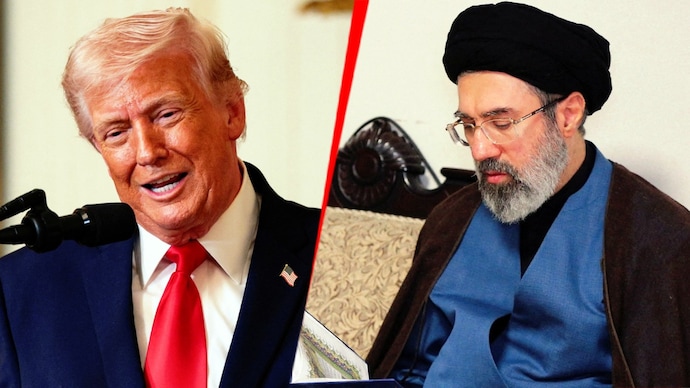
Iran has taken a significant step toward de-escalating tensions with the United States, signaling a willingness to negotiate key aspects of its nuclear programme as part of ongoing diplomatic talks.
According to emerging reports, Tehran has proposed capping uranium enrichment at 3.5% a level far below weapons-grade and has also offered to gradually reduce its existing stockpile of enriched uranium.
If confirmed in a final agreement, the proposal would mark one of the most substantial concessions by Iran since the collapse of earlier nuclear accords.
The 3.5% enrichment ceiling is broadly consistent with limits under the 2015 nuclear deal framework, where enrichment below roughly 3.7% was considered suitable for civilian energy use but insufficient for weapons development.
In recent years, however, Iran has significantly exceeded those thresholds. The country is believed to possess hundreds of kilograms of uranium enriched up to 60% a level much closer to weapons-grade and a major source of concern for Western powers.
By offering to scale enrichment back down and reduce its stockpile, Tehran appears to be attempting to rebuild trust and reopen a pathway to sanctions relief.
The latest proposal reflects a notable shift from Iran’s earlier negotiating stance. Previous rounds of talks were dominated by sharp disagreements, particularly over U.S. demands for a long-term or even permanent halt to uranium enrichment.
Until recently, Iranian officials had resisted placing strict limits on enrichment or surrendering nuclear material upfront, instead insisting on sanctions relief first.
Now, both sides appear to be showing greater flexibility. Analysts say Iran’s latest offer suggests a willingness to compromise on one of the most contentious issues in the negotiations.
Despite the apparent breakthrough, a final deal remains far from certain. Negotiations between Washington and Tehran have been slow and complicated, with disputes extending beyond nuclear issues to include regional security and control of vital shipping routes like the Strait of Hormuz.
Recent diplomatic efforts have been described as “positive” but inconclusive, with both sides continuing to test each other’s red lines.
The outcome of the talks carries major implications for global security and energy markets.
Iran’s nuclear programme has been at the center of international tensions for years, and any agreement to limit enrichment and reduce stockpiles could ease fears of nuclear proliferation in the Middle East.
However, experts caution that implementation, verification, and sequencing of concessions, especially sanctions relief versus nuclear rollback will ultimately determine whether this apparent shift translates into a lasting agreement.
For now, Iran’s proposal signals a potential opening but whether it leads to a breakthrough or another stalled negotiation remains uncertain.



Leave a Reply