
By George Omagbemi Sylvester
Hormonal imbalance in men is an under-reported public health issue with profound physical, emotional, and reproductive consequences. At its core, the condition often stems from low testosterone (medically termed hypogonadism), where the male body does not produce sufficient levels of its primary sex hormone. This imbalance can arise from testicular dysfunction (primary hypogonadism) or problems in the brain’s regulatory centres, the hypothalamus and pituitary gland (secondary hypogonadism). Both congenital factors, such as Klinefelter syndrome, and acquired conditions like testicular injury, infection, or chronic illness are well-documented causes.
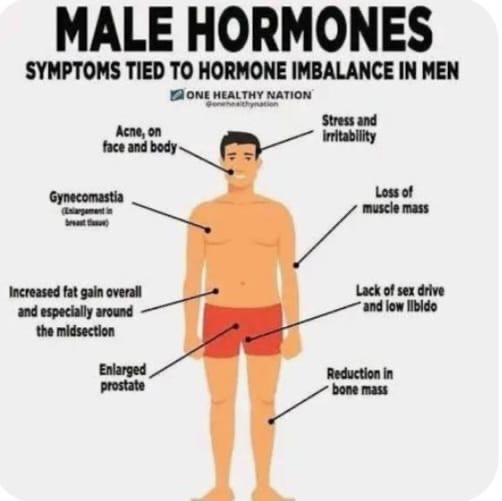
Clinically significant symptoms transcend simple fatigue or moodiness. Men with hormonal imbalances may grapple with reduced libido, erectile dysfunction, unexplained weight gain, particularly around the abdomen, loss of muscle mass, increased body fat, irritability, depression, cognitive difficulties, and even enlarged breast tissue (gynecomastia). According to the International Society of Andrology, androgen deficiency (affecting up to one in 20 men) can also manifest as weakened concentration and sleep disturbances, accentuating its ripple effects on quality of life.
“Hormones regulate everything from metabolism and fertility to sleep and mood, yet routine screening for imbalances in men remains rare,” warns endocrinology specialist Dr. Sandeep Kharb, emphasising how subtle, non-specific signs are often misattributed to stress or ageing. Lifestyle factors, such as chronic stress, obesity, poor diet, sedentary behaviour, and environmental toxins, can further disrupt hormonal harmony.
Health professionals uniformly stress the importance of seeking medical evaluation when symptoms persist. Persistent sexual dysfunction, infertility after one year of attempts, severe mood changes, and unexplained physical changes, such as muscle loss or gynecomastia, warrant prompt clinical assessment. Early diagnosis and appropriate management (often involving an endocrinologist) can mitigate long-term complications and improve overall well-being, sparing men from the personal and societal costs of untreated hormonal disorders.






Leave a Reply