

By Paul Joseph
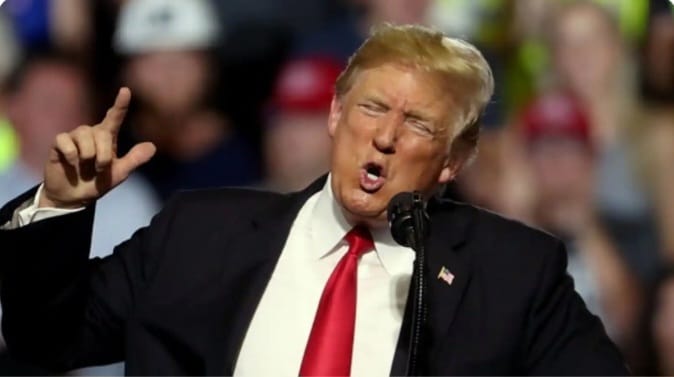
The world is on edge as the high-stakes ultimatum issued by Donald Trump to Iran approaches its critical expiration at 8:00 p.m. GMT, a moment that could redefine the trajectory of the ongoing Middle East crisis.
At the heart of the standoff is control of the Strait of Hormuz, a narrow but vital corridor through which a significant share of the world’s oil supply flows. Washington has demanded its full reopening, warning of devastating consequences if Tehran fails to comply.
President Trump’s ultimatum has been unusually explicit: comply or face sweeping strikes on key Iranian infrastructure, including power plants and transport networks.
In recent hours, rhetoric has intensified dramatically. Trump warned that failure to act could result in catastrophic destruction, while U.S. military operations in the region have reportedly already escalated.
Iran, however, has remained defiant rejecting ceasefire proposals and insisting that any resolution must include guarantees against further attacks and compensation for damages.
As the clock runs down, analysts say there are three immediate scenarios the world should prepare for:
If the deadline passes without compromise, the most immediate risk is a surge in U.S. strikes targeting Iranian infrastructure. Such action could trigger rapid retaliation from Iran across the Gulf, including attacks on allied oil facilities and shipping routes.
There are growing fears that the conflict could widen beyond Iran and the U.S., pulling in regional players and allies. Previous retaliatory strikes have already hit targets linked to Gulf states, raising the specter of a broader Middle East war.
Any disruption to the Strait of Hormuz is expected to send oil prices soaring, with immediate consequences for global markets, inflation, and energy security.
Early signs of market volatility have already emerged as the crisis deepens.
Despite the escalating rhetoric, some observers believe the ultimatum may still be a pressure tactic aimed at forcing last-minute concessions. However, the absence of meaningful diplomatic progress suggests the window for a peaceful resolution is rapidly closing.
Meanwhile, legal experts and political leaders have raised alarms over the nature of the threats, warning that attacks on civilian infrastructure could violate international law.
As the deadline expires, the next moves by Washington and Tehran will be decisive not only for the Middle East but for global stability.
Whether this moment leads to all-out confrontation or a sudden diplomatic breakthrough, one thing is clear: the stakes could not be higher, and the consequences will be felt far beyond the region.




Leave a Reply