
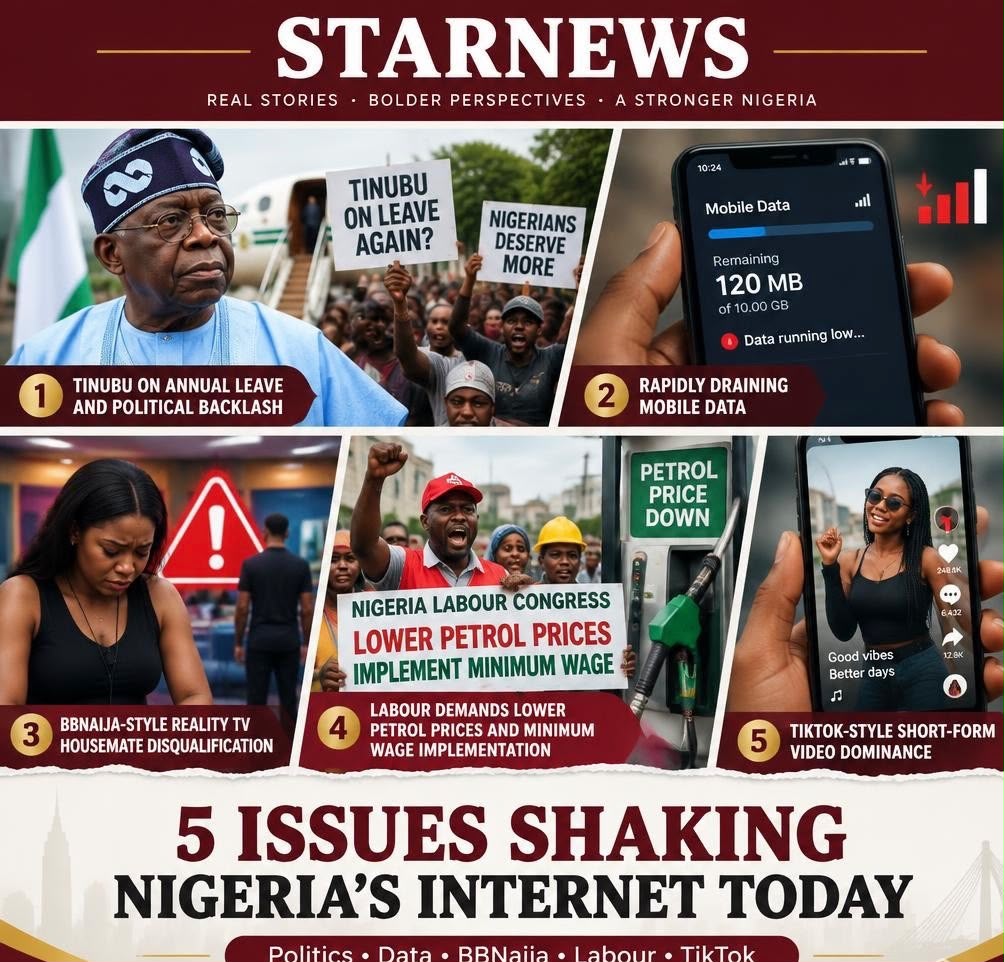
Nigeria’s digital space is witnessing intense conversations today as citizens react to President Bola Tinubu’s annual leave, persistent complaints about rapidly depleting data bundles, the controversial disqualification of a BBNaija housemate, the Nigeria Labour Congress’s demands and TikTok’s growing influence.
Tinubu’s annual leave triggers political backlash
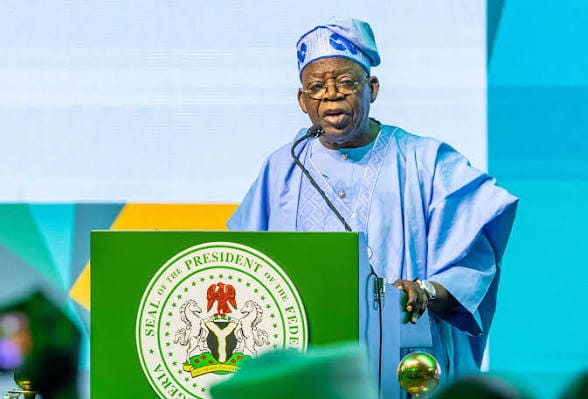
President Bola Tinubu’s three-week annual leave in Europe has sparked widespread reactions on X, formerly Twitter, Facebook and other social media platforms. Opposition figures, including former Vice-President Atiku Abubakar, have questioned the timing of the President’s vacation, particularly amid ongoing economic reforms and widespread hardship.
The development has led to heated exchanges between supporters of the ruling All Progressives Congress and opposition loyalists. In the process, old and viral photographs of political figures have resurfaced, adding fuel to the online debate.
Nigerians complain about rapidly disappearing data
Many Nigerian internet users have expressed frustration over the speed at which their data bundles are being exhausted. Subscribers have blamed telecommunications companies for what they describe as unexplained data deductions, while industry explanations have pointed to background application updates, video streaming and increased consumption of high-definition content. The complaints have continued to trend as Nigerians demand greater transparency from telecom operators.
BBNaija housemate Keivo disqualified
Entertainment lovers are also focused on the dramatic disqualification of Big Brother Naija Season 11 housemate, Keivo.
Keivo was reportedly removed from the voting polls and evicted from the house following a physical altercation with fellow housemate Tram. The development has generated intense reactions among fans, with social media users sharing viral clips, opinions and arguments over whether the punishment was justified.
NLC demands lower petrol prices and full minimum wage implementation
The Nigeria Labour Congress is trending heavily following its call for immediate government action to reduce petrol prices and fully implement the new national minimum wage. The demand has struck a chord with many Nigerians, especially workers and low-income households affected by rising living costs. The issue has also become part of the wider Independence Day discourse, with social media users expressing frustration over the state of the economy and demanding urgent relief.
TikTok emerges as Nigeria’s leading cultural platform
A major conversation in Nigeria’s technology and business space centres on TikTok’s growing dominance. New digital data reportedly indicates that TikTok now accounts for more than 51 per cent of short-form video usage in Nigeria in 2026. The platform’s influence is reshaping how young Nigerians consume news, music, comedy and political content. At the same time, traditional websites are reportedly experiencing declining traffic as users increasingly rely on social media platforms and AI-generated overviews for information.
Together, the five issues reflect the rapidly changing nature of Nigeria’s online conversations, where politics, entertainment, economic hardship and technology continue to compete for public attention.



Leave a Reply