
By Sunday Ameh
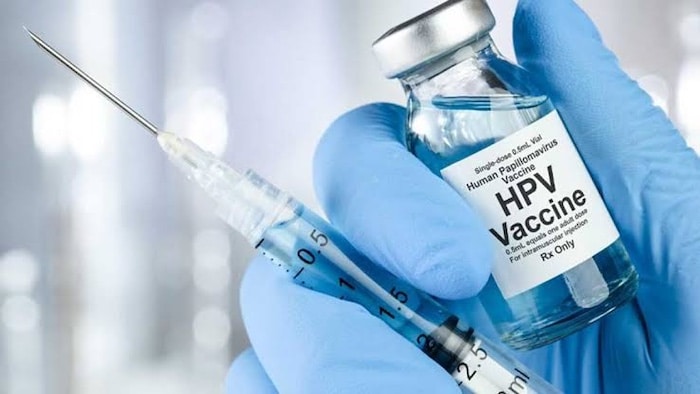
Health experts have called for increased human papillomavirus vaccination, regular cervical cancer screening and improved access to accurate health information as Nigeria battles the growing burden of cervical cancer.
The experts made the call during the Naija Cancer Watch Fellowship organised by Sebeccly Cancer Care to improve journalists’ understanding of cancer prevention, treatment and control in Nigeria.
They stressed that efforts to tackle cervical cancer must go beyond public awareness campaigns to providing Nigerians with practical and reliable information that can encourage preventive action and early treatment.
According to the Federal Ministry of Health and Social Welfare, Nigeria records about 13,676 new cases of cervical cancer annually, with many patients presenting at advanced stages.
Speaking at the fellowship, the Director of Public Relations and Protocol at the Federal Ministry of Information and National Orientation, Suleiman Haruna, identified misinformation, fear, stigma, poor awareness and reliance on unverified remedies as major challenges affecting cancer prevention and treatment in the country.
Haruna also emphasised the role of journalists in communicating complex medical information in ways that Nigerians could easily understand and trust.
He noted that sustained and culturally appropriate communication could help normalise cancer screening, encourage people to seek medical attention early and reduce the stigma associated with cancer diagnosis.
Cervical cancer is largely preventable through HPV vaccination and regular screening.
The World Health Organisation says almost all cervical cancer cases are linked to persistent infection with cancer-causing types of HPV.
Although most HPV infections clear naturally, persistent infections can cause abnormal changes in cervical cells which may eventually develop into cancer.
The WHO recommends cervical cancer screening from age 30, or from age 25 for women living with HIV, to detect precancerous changes before they progress into cancer.
The organisation also advises women to seek medical attention when they experience unusual bleeding between periods, after sexual intercourse or after menopause, as well as unusual vaginal discharge and persistent pain in the back, legs or pelvis.
Nigeria introduced the HPV vaccine into its routine immunisation programme in October 2023, initially targeting 7.7 million girls aged nine to 14 across 16 states and the Federal Capital Territory.
The initiative is part of global efforts to eliminate cervical cancer as a public health problem.
Under the WHO elimination strategy, the target is to ensure that 90 per cent of girls are fully vaccinated against HPV by age 15, 70 per cent of women are screened by ages 35 and 45, while 90 per cent of women identified with precancer or invasive cancer receive appropriate treatment by 2030.
Experts, however, said achieving the targets would require more than vaccination programmes.
They called for stronger screening infrastructure, improved access to treatment and sustained public education capable of addressing misinformation and misconceptions surrounding HPV vaccination and cervical cancer.
The experts further urged journalists and other communication professionals to play a greater role in disseminating verified health information, particularly in communities where myths, stigma and unverified treatments continue to influence healthcare decisions.
They maintained that early detection, vaccination and timely treatment could significantly reduce deaths from cervical cancer and help Nigeria move closer to eliminating the disease as a public health threat.






Leave a Reply