
By Abdulqadir Muhammad Alhaji
The lack of electricity and drinking water in Niger State is a real menace that residents have been grappling with for over two weeks. These issues have brought homes and businesses to a halt, making day-to-day living very difficult for all.
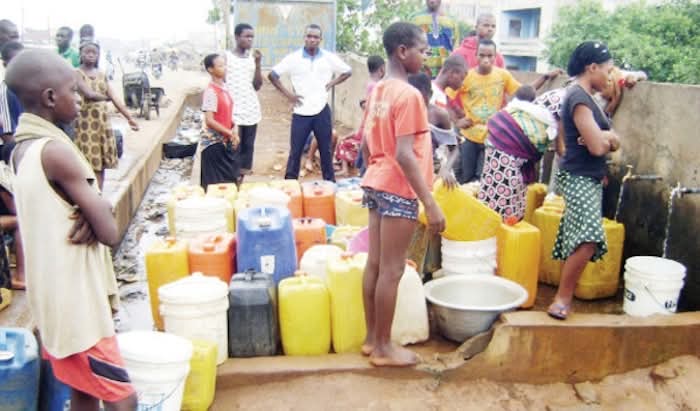
Areas such as Tunga, Bosso, and Maitumbi report that taps are dry or provide only a limited supply of water at certain times. Most families are forced to purchase bottled water at a higher rate than normal or walk long distances to find untreated water.
According to Arise News, Aisha Mohammed, a mother of four, says that she has not been able to sleep properly: “I have not slept properly in days. We get up at about 4 a.m. to check whether there is water flowing. Otherwise, we begin to seek another source.”
This situation is compounded by the lackadaisical power supply from the Abuja Electricity Distribution Company, which supplies power throughout the state. In some areas, power outages last two or three days, while in others, electricity is available only for a few hours each day. The timing is often unpredictable.
Small and medium-sized businesses are the most affected. Individuals requiring electricity to refrigerate food, as well as factories, hairdressers, and food stalls, are compelled to use generators to remain operational. They incur high costs for petrol and diesel, with many additional expenses passed on to customers.
“We keep purchasing fuel,” said Musa Abdullahi, who operates a frozen food store in Minna. “There are times when there is no light for 48 hours. Unless we keep the generator on, our food spoils.”
Officials in Niger State attribute these issues to the operations of the water board, stating that power problems, along with a lack of chemicals used to treat water, have caused the water treatment plants to fail. The board has also been criticized for lacking sufficient funds to purchase the necessary chemicals.
Due to these challenges, the state government has discussed potential solutions with the legislature, but many residents feel that these solutions are taking too long to implement. The lack of funds and an action plan has left people feeling discouraged.
The water and power issues pose significant health risks. Consumption of contaminated water can lead to illness, and the lack of refrigeration for medicine or food can result in infections. These failures are particularly concerning in a state that has already experienced flooding and other climate-related stresses.
Civil society groups are empowering residents to voice their concerns, stating that the extended power outages are unacceptable. Other groups are calling for better service and billing practices, especially as people continue to receive approximate bills despite having little or no electricity.
The crisis highlights broader infrastructure issues in Minna and its rapidly growing population. According to city planners, the state is likely to experience recurring failures unless there is consistent investment in water and power systems, which are worsening the situation.
Health experts warn that relying on ponds and shallow wells for drinking water increases the risk of contracting waterborne diseases such as cholera and typhoid, particularly among children.
Frustration is mounting, and many residents express that they are less concerned with what authorities say and more focused on obtaining rapid assistance.
An unnamed civil servant stated, “We only want water to drink and light to live our normal lives. These are basic necessities.”
At this point, families are using water sparingly, companies are reducing their operations, and individuals anxiously await the restoration of water and power.



Leave a Reply