
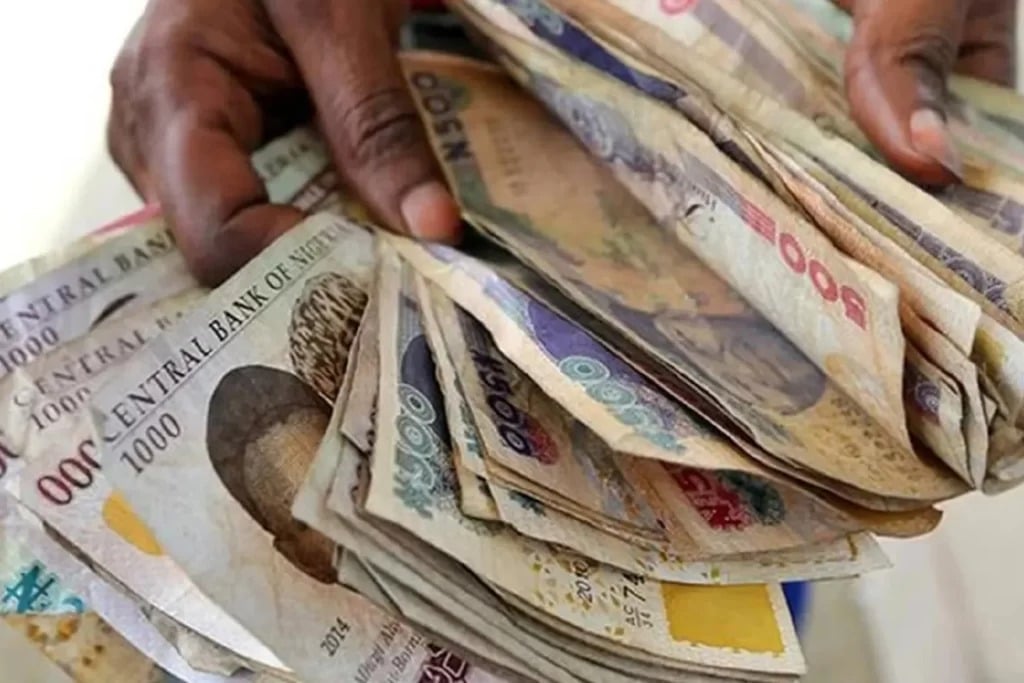

By Opeyemi Adelakun
Nigeria’s diaspora remittances climbed to $3.8 billion in the first seven months of 2026, as money sent home by citizens abroad continued to provide financial relief to households grappling with rising living costs.
Figures from the Central Bank of Nigeria (CBN) showed that the amount transferred through formal international money transfer channels increased by 50.2 per cent from the $2.5 billion recorded during the same period in 2025.
The latest performance was driven partly by a record monthly inflow of $947 million in July, the highest since the CBN began publishing the data series in 2019.
July’s figure was more than twice the $464.8 million recorded in July 2025, pointing to a significant increase in funds entering the country through International Money Transfer Operators (IMTOs).
The transfers are an important source of support for households whose relatives overseas help pay for food, accommodation, education, medical bills and other essential expenses.
They also contribute to Nigeria’s foreign exchange supply, offering support to efforts to stabilise the naira and improve external reserves.
Nigeria received $2.85 billion in diaspora remittances between January and June 2026, representing a 38 per cent increase from the $2.07 billion recorded in the corresponding period of 2025.
June remittances rose to $580.2 million from $292.2 million in June last year, before the figure climbed further to July’s record $947 million.
The sustained increase has strengthened expectations that Nigeria could meet the CBN’s target of attracting $1 billion in monthly diaspora remittances before the end of 2026.
CBN Governor Olayemi Cardoso said in July that the country was on course to reach the target, adding that continued growth could push annual remittance inflows towards $8 billion.
Achieving that level would further increase the contribution of formal diaspora transfers to Nigeria’s foreign exchange inflows.
CBN reforms drive formal transfers
The CBN has linked the growth in remittances to foreign exchange market reforms and measures designed to improve the efficiency and transparency of international money transfers.
Other initiatives include changes affecting IMTOs, the introduction of the Non-Resident Bank Verification Number and requirements for remittances to pass through designated settlement accounts with authorised dealer banks.
The measures are intended to strengthen formal transfer channels, improve transaction visibility and make it easier to monitor foreign exchange entering the country.
Higher recorded inflows also reflect the growing importance of formal channels in capturing remittance transactions, although the available figures do not cover all money sent home.
The reported $3.8 billion represents funds transferred through IMTOs. Money sent through informal networks, commercial bank arrangements and other channels may not be fully reflected in the data.
Households remain under pressure
Despite the increase in remittances, many Nigerian households continue to face substantial financial pressures as they struggle to meet basic needs.
For recipient families, money from relatives abroad can help bridge gaps in household income and pay for expenses that might otherwise be difficult to afford.
The funds also support local economic activity through consumer spending, education, healthcare and small-business financing.
However, the growing reliance on diaspora support also highlights the importance of these transfers to household welfare amid persistent economic challenges.






Leave a Reply