
By Gloria Drealomalicha
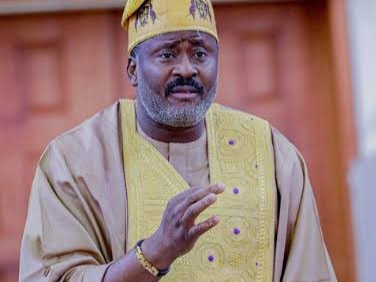
In Nollywood, Desmond Elliott built a career playing the charming hero the calm lover, the dependable friend, the man who always found redemption before the final scene. For years, audiences embraced him as one of the familiar faces of Nigeria’s golden movie era. He smiled into cameras, preached humility, and carried the image of a man who understood ordinary Nigerians.
But reality has a cruel way of exposing make-believe.
Today, the same man who once entertained the masses now finds himself trapped in a role he never imagined a politician accused by critics of abandoning the very people who elevated him to fame. The irony is almost poetic: Desmond Elliott, the actor, is now the lead character in a real-life drama filled with accusations of betrayal, public outrage, and political disappointment.
For many Lagos youths, especially those who once admired him, the collapse of his public image did not happen overnight. It was gradual. Painful, and deeply symbolic.
The biggest turning point came during the #EndSARS protests in 2020, a movement that became a defining moment for Nigerian youths demanding an end to police brutality and government oppression. At a time when young Nigerians expected empathy from public figures they had supported for years, Elliott’s comments at the Lagos State House of Assembly triggered fury across social media and beyond.
Instead of sounding like a representative listening to the pain of frustrated citizens, he appeared to many like a politician more concerned about controlling voices than defending them. His remarks about social media regulation were viewed by critics as tone-deaf and disconnected from the suffering that had pushed young people onto the streets.
That moment changed everything.
The same youths who streamed his movies, celebrated his acting career, and campaigned for his political rise suddenly saw a different Desmond Elliott not the relatable entertainer from television, but a politician many accused of becoming part of the system Nigerians were protesting against.
To his critics, that was betrayal.
Not because he joined politics. Nigerians understand ambition. Nigerians understand growth. But because they believed he forgot where he came from.
Desmond Elliott rose to prominence through the love of ordinary people. Market women bought his CDs. Students memorised his movie lines. Families welcomed him into their homes through television screens. His celebrity status was built by the same struggling Nigerians many believe politicians often ignore once power arrives.
And yet, critics argue that when Nigerians demanded solidarity during one of the country’s darkest moments, Elliott chose political loyalty over public trust.
That accusation continues to haunt him years later.
Many also point to what they describe as his silence on pressing issues affecting citizens. In a country battling inflation, insecurity, unemployment, and growing frustration among young people, celebrities-turned-politicians are often expected to bridge the gap between government and the people. But critics say Elliott gradually became distant, appearing more like a career politician than the people’s voice he once promised to be.
Another mistake his critics highlight is underestimating the memory of the public.
In Nigeria, public outrage may fade temporarily, but symbolic moments remain powerful. The internet never forgets. Every old speech, every controversial statement, every perceived act of hypocrisy eventually resurfaces. Elliott became a recurring example in conversations about celebrities who entered politics and allegedly lost touch with reality.
Yet, perhaps the most tragic part of the story is not the backlash itself.
It is the disappointment.
Because disappointment only exists where hope once lived.
Many Nigerians genuinely believed Desmond Elliott would be different. They thought his background in entertainment and his connection with everyday people would make him more compassionate, more vocal, and more courageous than traditional politicians. Instead, critics say he slowly transformed into the exact kind of public figure many Nigerians distrust polished during campaigns, distant after power.
In the end, Desmond Elliott’s story feels less like a political controversy and more like a cautionary tale about fame, power, and public trust.
He spent years acting in fictional dramas where betrayal and redemption were carefully scripted.
But real life offers no scriptwriter.
No director shouting “cut.”
No guaranteed happy ending.
And perhaps that is the greatest irony of all: the man who mastered make-believe may have underestimated how brutally real public disappointment can become.
He chickened out, he’s followers were locked out and his hopes and believe to return to Surulere constituency has been dashed before his eye.
Well, ones and Honourable, always an Honourable!.
But is this the end for Desmond omo Elliott?
We await his next move.
Gloria Drealomalicha is the editor of Starnews NG




Leave a Reply