


By: Sunday Ameh
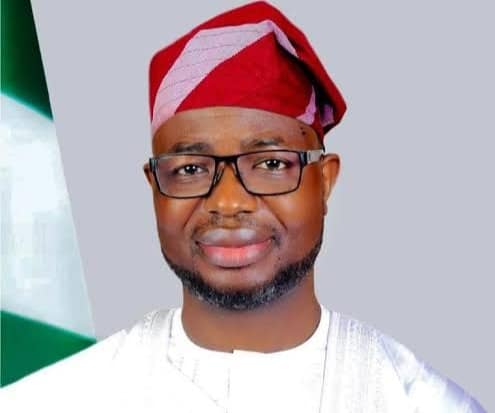
Former Speaker of the Osun State House of Assembly and ex-member of the House of Representatives, Mojeed Alabi, has defended Nigeria’s democratic system, insisting that democracy cannot be blamed for the country’s developmental challenges.
Speaking on Eagle 102.5 FM’s Frontline programme on Friday, Alabi said leadership failures and weak institutions, rather than democracy itself, were responsible for the nation’s struggles.
According to him, “Democracy can never be, has never been, and will never be a factor for underdevelopment.”
The former lawmaker argued that democracy is a continuous process that requires nurturing and consolidation, stressing that Nigeria remains an emerging democracy despite 27 years of uninterrupted civilian rule.
“Democracy is not a one-off thing; it is a process. It is something that has to be nurtured, something that has to be built over years and consolidated before we can reach the level of advanced democracies. We are still in an emerging democracy,” he said.
Alabi acknowledged that Nigerians were yet to fully enjoy the dividends of democracy but maintained that the system should not be condemned because of existing challenges.
Referring to President Bola Tinubu’s Democracy Day speech, he noted that the President had admitted that democracy had not yet delivered the level of development expected by many citizens.
“The government cannot rest on its oars. We are not yet in our Jerusalem; we are still on the journey towards the consolidation of our democracy,” he stated.
The former Speaker further linked the country’s worsening insecurity to widespread poverty and economic hardship, arguing that many criminal activities thrive because citizens lack legitimate means of survival.
“All these challenges of insecurity, banditry, Boko Haram and armed robbery are a function of the fact that our democracy has not been able to economically empower the average Nigerian,” Alabi said.
He, however, stressed that economic reforms and sacrifices must be shared fairly across all segments of society, including public office holders.
“We cannot afford a situation where people in government live large while asking ordinary Nigerians to tighten their belts. If sacrifices are required for a better future, the belt-tightening process must involve everyone, whether in government or outside it,” he added.
Alabi maintained that while Nigeria faces significant governance and security challenges, strengthening democratic institutions and ensuring accountable leadership remain the most viable path to sustainable development.




Leave a Reply