
By Paul Joseph
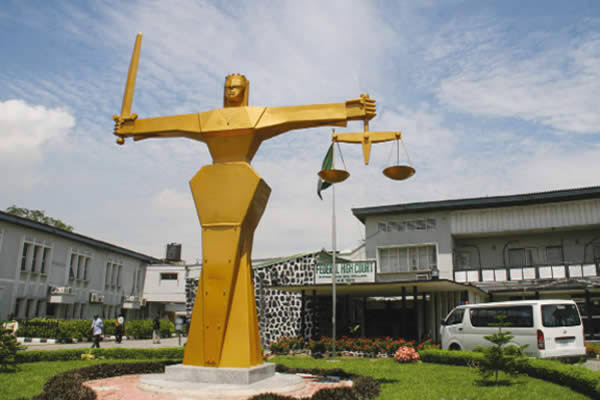
A Federal High Court sitting in Abuja has ordered the Independent National Electoral Commission (INEC) to immediately deregister the African Democratic Congress (ADC), Accord Party and several other political parties over alleged violations of constitutional provisions.
Justice Peter Odo Lifu delivered the judgment on Monday in a suit filed by the Incorporated Trustees of the National Forum of Former Legislators, which challenged the legal status and operations of some registered political parties.
The suit, marked FHC/ABJ/CS/2637/2026, listed INEC as the first defendant alongside several political parties, including the ADC, Action Alliance (AA), All Progressives Grand Alliance (APGA), Accord Party and the Zenith Labour Party (ZLP).
In his ruling, Justice Lifu directed INEC to take immediate steps to deregister the affected parties, holding that they had failed to comply with constitutional and statutory requirements governing political party operations in Nigeria.
The judgment could have significant implications for the country’s political landscape ahead of the 2027 general elections.
One of the most notable consequences of the ruling is its potential impact on former Vice President and presidential candidate of the ADC, Atiku Abubakar, whose political future may be affected if the judgment is implemented without a successful appeal.
The decision may also affect Osun State Governor Ademola Adeleke, who is reportedly expected to seek re-election in the August 15 governorship election under the Accord Party platform.
Legal analysts say the ruling could trigger a series of appeals and legal challenges, particularly given its far-reaching consequences for political parties and candidates preparing for future elections.
Neither INEC nor the affected political parties had issued official reactions to the judgment at the time of filing this report.
Observers believe the case could ultimately be decided by higher courts, as stakeholders seek clarity on the status of the affected parties and the implications for Nigeria’s democratic process.




Leave a Reply