
By Gloria Drealomalicha
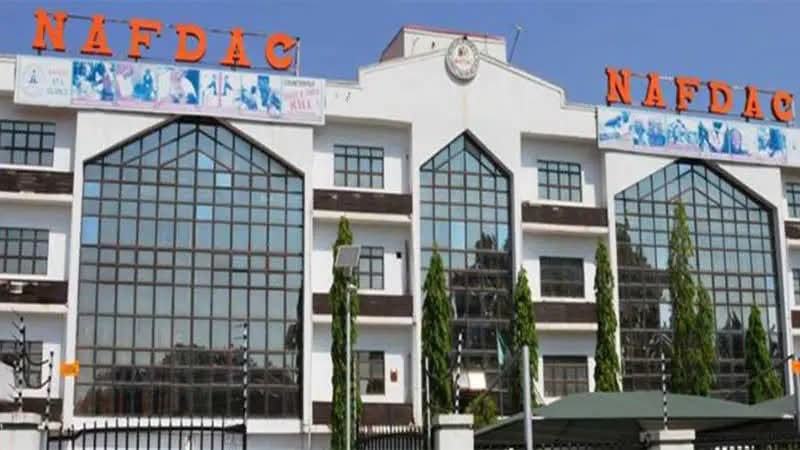
The National Agency for Food and Drug Administration and Control ( NAFDAC ) has revealed that cosmetics, food and beverages account for more than half of all counterfeit products seized across Nigeria, raising fresh concerns about the growing threat posed by fake goods to public health and consumer safety.
Speaking at a briefing to mark the 2026 International Anti-Counterfeit Month, NAFDAC Director-General, Professor Mojisola Adeyeye, said enforcement operations conducted nationwide show that counterfeit cosmetics remain the most commonly seized fake products, followed closely by food and beverage items.
Represented by the agency’s Director of Investigation and Enforcement, Dr Martins Iluyomade, Adeyeye noted that counterfeit medicines with incorrect, insufficient or completely absent active ingredients also continue to feature prominently among products confiscated during enforcement activities.
According to her, cosmetics, food and beverages together account for more than 50 per cent of all counterfeit goods intercepted by the agency.
She warned that counterfeiters are becoming increasingly sophisticated, making it harder for regulators to identify and intercept fake products before they reach consumers.
“Cosmetics account for the most counterfeited products in Nigeria, followed by food and beverages, accounting for more than 50 per cent of seizures,” she said.
Adeyeye explained that technological advancements and evolving trade practices have created new opportunities for criminals involved in the counterfeit trade. She noted that many counterfeit products are now ordered online and delivered directly into the country through logistics networks.
“Today, someone can sit comfortably in a shop in Nigeria, place an order online, and have counterfeit products delivered to their doorstep through logistics companies,” she said.
She also highlighted the growing use of groupage cargo systems, where multiple importers share a single shipping container. While the arrangement helps reduce transportation costs, it also complicates inspection processes and provides opportunities for counterfeit products to evade detection.
According to the NAFDAC boss, counterfeiters have become highly skilled at replicating the packaging and appearance of genuine brands, making it increasingly difficult for consumers and even regulators to distinguish fake products from authentic ones.
To strengthen the fight against the illicit trade, NAFDAC said it is working closely with the Nigeria Customs Service and other relevant agencies to tighten border controls, improve product verification systems and strengthen enforcement measures.
However, Adeyeye stressed that tackling the problem requires collective action.
“This fight cannot be won by NAFDAC alone,” she said, urging manufacturers, distributors, retailers and consumers to play active roles in combating counterfeit products.
The agency also commended the judiciary for supporting anti-counterfeiting efforts through quicker prosecutions and tougher penalties for offenders. NAFDAC cited recent convictions, including a 40-year prison sentence handed to a convicted counterfeiter.
As part of efforts to protect public health, the agency advised Nigerians to purchase products only from authorised outlets, make use of available authentication tools and promptly report any suspected counterfeit items to the authorities.
With counterfeit goods continuing to pose significant risks to consumers and legitimate businesses, NAFDAC says public awareness and collaboration remain critical to winning the battle against fake products in Nigeria..





Leave a Reply