
By George Omagbemi Sylvester
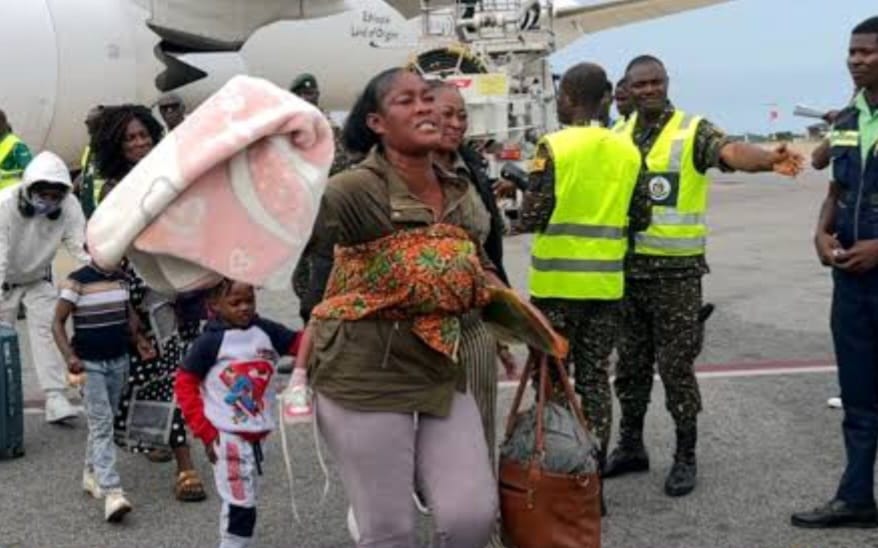
The decision by the Government of Ghana to repatriate hundreds of its citizens from South Africa was driven largely by rising anti-immigration protests, xenophobic tensions, and growing fears for the safety of foreign nationals.
Reports indicated that many Ghanaians felt increasingly vulnerable amid demonstrations in Johannesburg and other areas, where some groups blamed undocumented migrants for unemployment, crime, and pressure on public services. In response, Ghana launched a voluntary repatriation programme, with more than 800 citizens reportedly registering for evacuation.
Ghanaian authorities described the move as a humanitarian effort aimed at protecting citizens and preventing further risks. The aftermath of the repatriation has created both political and social discussions across Africa.
The Ghanaian government welcomed returnees, offered psychosocial support, financial assistance, and reintegration measures, while also emphasizing the need to protect the dignity and rights of its citizens abroad. At the diplomatic level, the repatriation served as a strong message of concern over the treatment of African migrants in South Africa, even as both countries worked to maintain cordial relations.
The situation has reignited debates about unemployment, migration policies, regional integration, and the growing challenge of xenophobia on the African continent.





Leave a Reply