
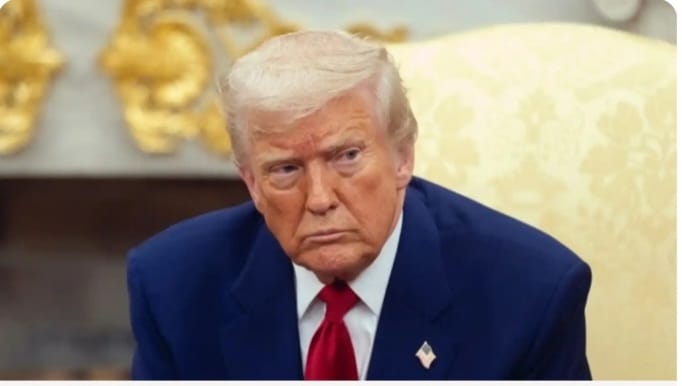

By George Omagbemi Sylvester
United States President Donald Trump has faced diplomatic resistance after several allied nations rejected his request for military assistance to secure the strategic Strait of Hormuz amid rising tensions in the Middle East.
The request was made in 14-15, March 2026, when the U.S. administration approached several partner countries seeking naval deployments to help patrol the narrow waterway and guarantee safe passage for global oil shipments. The strait, located between Iran and Oman, is one of the world’s most critical maritime routes, with roughly 20 percent of global oil trade passing through it daily.
However, key allies (including Spain, France, and Australia) declined to participate in the proposed security coalition. Officials from these governments argued that sending warships could escalate tensions with Iran and potentially widen the conflict in the already volatile Gulf region.
Spain’s government publicly confirmed on March 16, 2026, that it would not join any military operation in the strait, urging diplomatic engagement instead of confrontation.
Analysts say the refusal reflects growing caution among Western allies about direct military involvement in Middle Eastern conflicts, highlighting divisions within trans-Atlantic partnerships over how best to manage global security crises while safeguarding international energy supply routes.




Leave a Reply