
By Abdulqadir Muhammad Alhaji
For millions of Nigerian workers, retirement represents the final chapter of a lifetime of service. It is a period many look forward to after spending 30 or 35 years contributing to government institutions, communities, and national development. The expectation is not luxury, but dignity the opportunity to live peacefully, care for one’s health, support loved ones, and enjoy the fruits of decades of hard work.
Sadly, for many retirees, that expectation remains out of reach. Across the country, countless retired workers continue to face challenges in accessing their pensions, gratuities, and other retirement entitlements. For individuals who have left active service and no longer receive monthly salaries, delays in retirement benefits can create significant hardship. Basic needs such as food, shelter, healthcare, and family responsibilities do not disappear simply because a worker has retired.
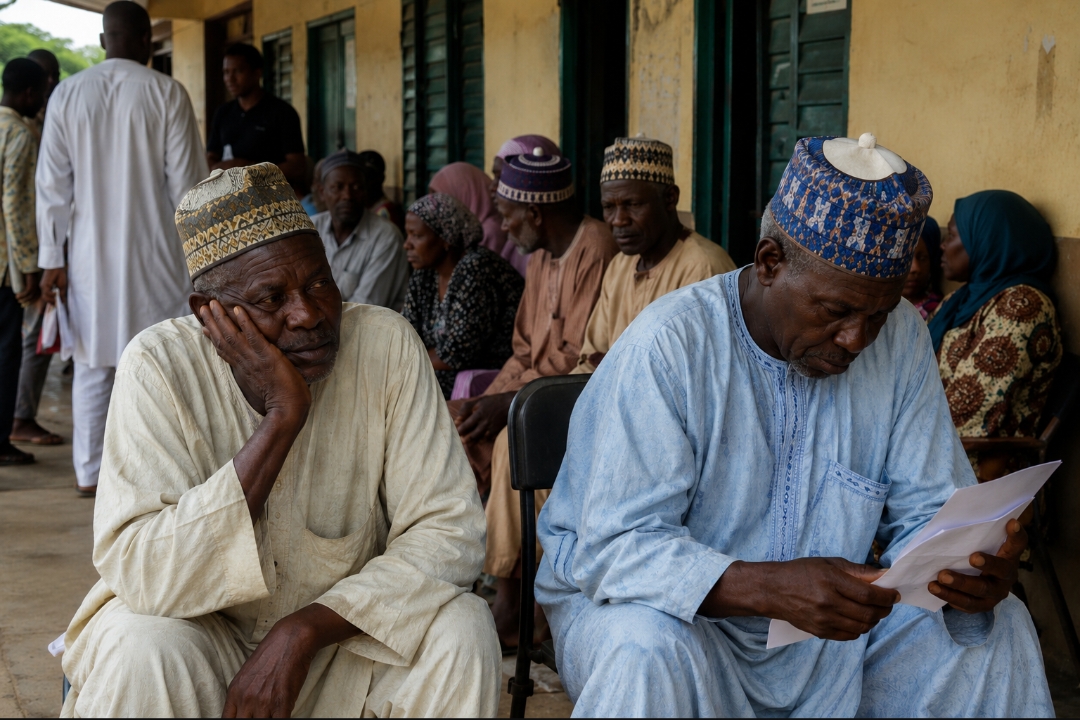
The reality becomes even more painful when one considers the age and vulnerability of many retirees. These are men and women who devoted the best years of their lives to serving the nation. Yet some spend months or years moving from one office to another, submitting documents, making inquiries, and waiting for benefits they earned through decades of service.
Beyond the financial burden lies a deeper human concern. Delayed retirement benefits can affect the physical and emotional well-being of elderly citizens. Families often step in to provide support, while some retirees sadly pass away before receiving their full entitlements. In such cases, grieving relatives are left to continue the long and often frustrating process of pursuing death benefits and outstanding claims.
This should concern every Nigerian. How a nation treats its retirees reflects how it values service, sacrifice, and human dignity. Workers who dedicate decades of their lives to public service deserve a retirement system that is efficient, transparent, and responsive. They should not have to spend their final years struggling for benefits that were meant to provide security and comfort.
The issue is larger than politics and should not be viewed through a partisan lens. Pension administration involves various institutions, procedures, and stakeholders. However, regardless of the challenges involved, there remains a collective responsibility to ensure that retirees receive their entitlements as promptly and efficiently as possible.
For those still in active service, the situation also serves as an important reminder. Workers should take a keen interest in their pension records, monitor contributions regularly, seek information about their retirement rights, and, where possible, develop additional savings and legitimate investments that can provide financial support in later years.
At the same time, governments, pension administrators, and relevant agencies must continue to strengthen pension management systems, eliminate avoidable bottlenecks, improve transparency, and accelerate the processing of retirement and death benefits.
Retirement should never become a period of anxiety after a lifetime of service. As a society, we owe our retirees more than appreciation expressed in words. We owe them respect demonstrated through action. A worker who has spent 35 years serving the nation deserves to enjoy the rewards of that service while still alive, healthy, and able to do so.
The dignity of retirees must remain a national priority, because every worker of today is a retiree of tomorrow.





Leave a Reply