
By Opeyemi Adelakun
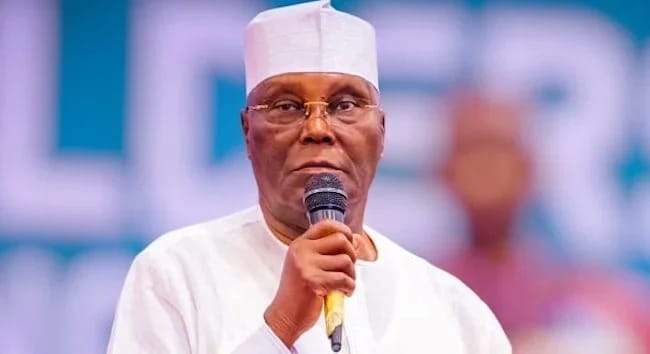
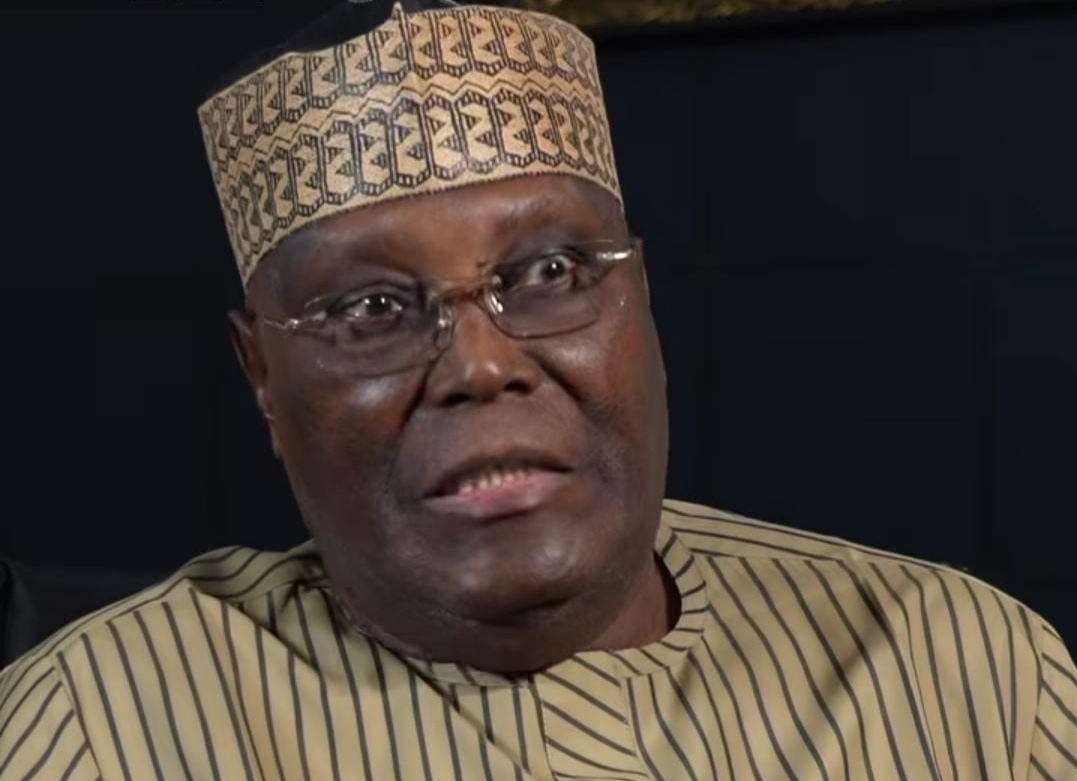
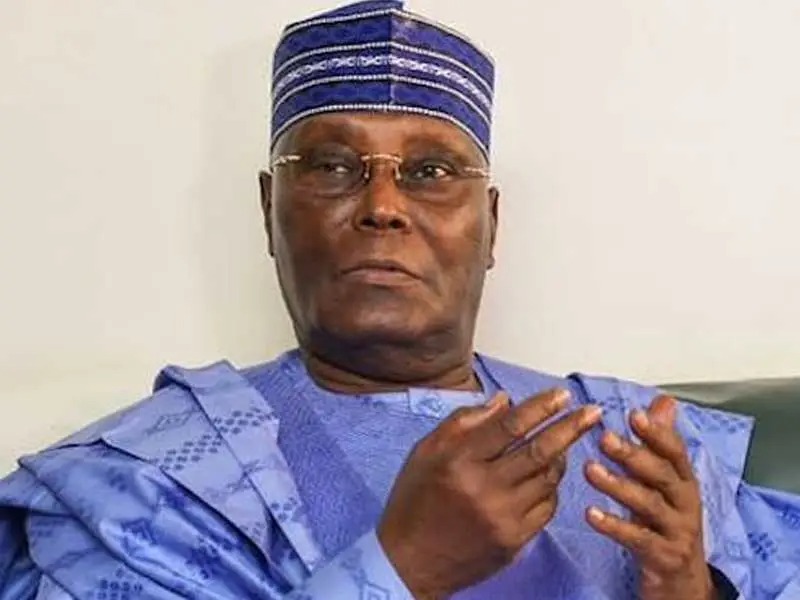
Former Vice President and African Democratic Congress presidential candidate, Atiku Abubakar, has pledged to reopen Nigeria’s land borders if elected president in the 2027 general election.
Atiku said the policy would revive transborder trade, which he argued had been disrupted by prolonged restrictions on the country’s borders with neighbouring countries.
The former Vice President made the pledge while addressing supporters in a video shared online by ADC chieftain, Dele Momodu, on Friday.
According to Atiku, the border restrictions have negatively affected businesses and contributed to unemployment, particularly among young Nigerians who depend on cross-border trade.
He said many young people who previously operated businesses with substantial capital had been forced out of business following the closure and restrictions imposed on some land borders.
“So I said I am going to reopen the borders and I will,” Atiku said.
He argued that transborder trade with countries including Cameroon, Chad, Niger Republic and Benin Republic remained a legitimate economic activity that should be properly regulated rather than restricted.
Atiku also pledged to improve Nigeria’s southern ports as part of efforts to create a more efficient national transportation and trade network.
He said he had previously engaged shippers and ship development companies in Europe on ways to develop ports in the South and South-East.
According to him, stronger port infrastructure in areas such as Calabar, Uyo and Port Harcourt would provide alternative routes for moving goods to the northern part of the country.
Using Yola, Adamawa State, as an example, Atiku said cargoes currently moved from Lagos could take weeks to reach the North-East because of poor infrastructure and inefficient transport routes.
He said developing southern ports would help reduce both the cost and time involved in transporting goods across the country.
Nigeria’s land border restrictions became a major policy issue in 2019 when the Muhammadu Buhari administration closed the country’s land borders to tackle smuggling and encourage domestic production.

Leave a Reply