
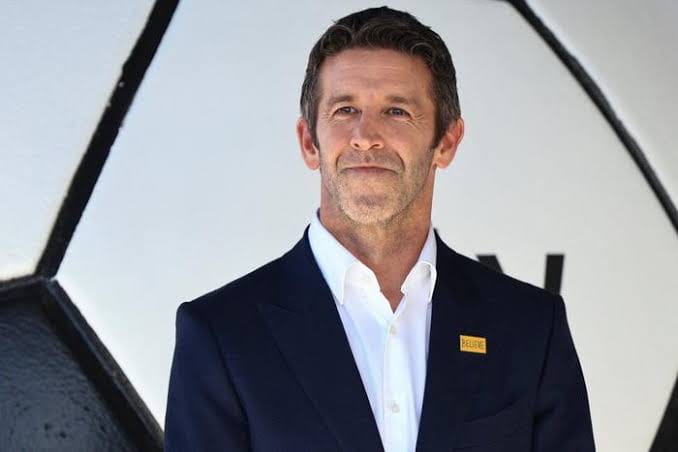
By Paul Joseph
John Ternus has officially assumed office as the new Chief Executive Officer of Apple, succeeding Tim Cook after the veteran technology executive’s 15-year tenure at the helm of the global company.
The 51-year-old engineer takes charge at a crucial moment for Apple as the technology giant faces growing pressure to strengthen its artificial intelligence strategy while navigating its extensive manufacturing and supply-chain exposure to China.
Ternus joined Apple in 2001 and steadily rose through the company’s hardware engineering division, eventually becoming Senior Vice President of Hardware Engineering.
During his time in the role, he played a key part in the development of several of Apple’s major products, including the iPhone, which remains the company’s largest source of revenue.
His emergence as CEO places a hardware-focused executive in charge of a company facing increasing scrutiny over its progress and competitiveness in the rapidly expanding artificial intelligence sector.
Industry analysts believe one of Ternus’ immediate challenges will be accelerating Apple’s AI strategy while preserving the hardware-driven business model that has powered the company’s growth for years.
Dan Ives, Senior Managing Director at Yorkville Ives & Co., said Cook was leaving Apple in a strong position but noted that Ternus would now face the challenge of defining the company’s direction in the artificial intelligence era.
Ternus’ extensive experience in product development could prove valuable as Apple works to integrate artificial intelligence more deeply into its devices and services.
Creative Strategies analyst Carolina Milanesi said consumers often encounter emerging technologies through physical devices, making Apple’s strength in hardware an important factor in how the company delivers new AI capabilities to users.
Beyond technological competition, the new CEO will also have to manage Apple’s complex relationships with governments and major markets across the world.
China remains one of the company’s most significant challenges. Apple continues to depend heavily on the country for manufacturing and supply-chain operations, although it has expanded production in countries such as India and Vietnam as part of efforts to diversify its global manufacturing base.
Relations with the United States could also present a major test for Ternus.
President Donald Trump has repeatedly urged Apple to increase domestic manufacturing and has threatened tariffs on products produced outside the United States.
Cook played a major role in managing Apple’s relationships with both Washington and Beijing while overseeing the company’s gradual efforts to diversify its manufacturing operations.
Ives said Ternus was deeply familiar with Apple’s hardware and product operations but would need to develop greater experience in handling the political and international business relationships that come with leading one of the world’s most influential companies.
Cook, however, is not completely leaving Apple. He will continue to serve as Executive Chairman of the company’s board, a position that will allow him to remain involved in key strategic matters, including engagement with policymakers and global stakeholders.
Ternus will face one of his first major tests as CEO when Apple holds its annual iPhone event on September 9.
The company is widely expected to unveil new products, with growing attention focused on speculation surrounding a possible foldable iPhone that could represent one of Apple’s biggest smartphone design changes in years.
The event will provide Ternus with his first major opportunity to publicly outline Apple’s product direction as chief executive and offer an early indication of how he intends to lead the technology giant through its next phase of growth and competition.





Leave a Reply