

By Charles Maduka
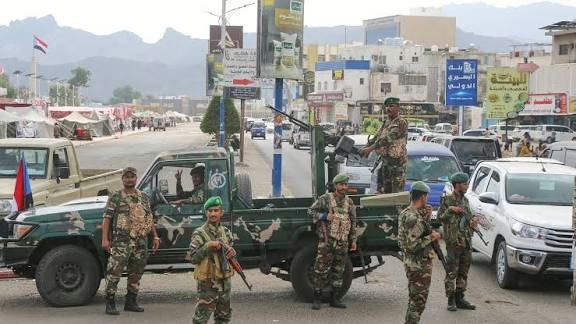
Saudi Arabia-backed Yemeni government forces have recaptured several cities and provinces in southern Yemen from the United Arab Emirates-backed Southern Transitional Council, marking a major shift in the country’s ongoing conflict.
Rashad al-Alimi, head of Yemen’s Presidential Leadership Council, said Homeland Shield forces recorded what he described as “record success” after retaking all military and security positions in provinces bordering Saudi Arabia. The operation, which began a day earlier, was aimed at restoring government control in areas seized by the STC.
Government forces also regained control of Mukalla, the strategic port city and capital of Hadramout province, which had been taken by the STC last month. Officials confirmed that all nine districts of al-Mahra governorate are now under government control following the withdrawal of STC fighters from the area.
The renewed fighting followed a sharp rise in tensions after the STC seized control of Hadramout and al-Mahra in December. The two provinces make up nearly half of Yemen’s landmass and share a border with Saudi Arabia. Analysts say the developments signal major political and military changes in the country’s fragile balance of power.
Clashes between the two sides have reportedly led to heavy casualties, with dozens of STC fighters killed, wounded, or captured. Saudi warplanes were also said to have carried out air raids on STC positions near Mukalla. Despite the violence, the STC has welcomed Saudi Arabia’s call for dialogue, describing it as an opportunity to protect the interests of southern Yemen.
While calm is gradually returning to some areas, tensions remain high in others. The Yemeni government has accused the STC of imposing restrictions on movement in the southern port city of Aden, calling the actions unconstitutional and a violation of previous peace agreements. The government said it would take steps to protect civilians and ensure freedom of movement as efforts continue to stabilise the region.






Leave a Reply