

By George Omagbemi Sylvester
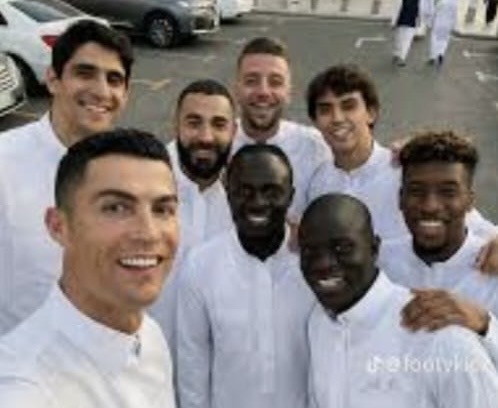
Reports that Cristiano Ronaldo fasted during Ramadan alongside some of his Muslim teammates at Saudi Pro League club Al-Nassr have drawn global attention, not merely because of the footballer’s stature, but because of the cultural and religious symbolism attached to the act.
Cristiano Ronaldo, who joined Al-Nassr FC in December 2022, plays in a league where the majority of players and supporters are Muslim. Ramadan, the ninth month of the Islamic calendar, is a sacred period during which observant Muslims fast from dawn to sunset. In Saudi Arabia, where Al-Nassr is based in Riyadh, Ramadan is not only a religious obligation but a central social institution shaping daily life, training schedules and match timings.
While Ronaldo is not a Muslim and has never publicly converted to Islam, credible club sources and regional sports media have indicated that he observed fasting on select days in solidarity with teammates. Among Al-Nassr’s Muslim players during the 2023–2024 season were Sadio Mané, Nawaf Al-Aqidi, Abdulrahman Ghareeb and Sultan Al-Ghannam. Such participation, if voluntary, would represent a gesture of respect rather than religious adherence.
Sports scientists note that fasting can affect hydration levels, metabolic function and recovery-key variables in elite performance. Professor Asker Jeukendrup, a leading sports nutrition expert, has consistently emphasized that “energy availability and hydration are central to high-intensity athletic output.” For a 39-year-old elite athlete like Ronaldo, known for meticulous physical conditioning, any decision to fast during competition periods would require careful medical supervision and nutritional planning.
Ramadan fasting among professional athletes is not unprecedented. Clubs across Europe and the Middle East routinely adjust training loads and match preparation during the holy month. Dr. Mohamed Elbarbary, a sports medicine consultant in the Gulf region, notes that “with structured meal timing, scientific monitoring and individualized recovery protocols, athletes can maintain competitive standards during Ramadan.”
The broader significance of Ronaldo’s reported gesture lies in cultural diplomacy. Since relocating to Saudi Arabia, he has publicly praised the country’s hospitality and traditions. His integration into local customs aligns with the Kingdom’s broader strategy to globalize its sporting profile through high-profile signings and investment in football infrastructure.
However, as of this publication, neither Ronaldo nor Al-Nassr has issued an official written statement confirming full observance of Ramadan fasting. What is verifiable is that the club adjusted training schedules during Ramadan, as is customary in the Saudi Pro League and that Muslim players observed the fast in accordance with Islamic practice.
In a region where religion, sport and national identity intersect powerfully, even symbolic gestures resonate deeply. Whether seen as solidarity, professionalism or cultural respect, Ronaldo’s reported participation underscores the evolving global character of modern football; where athletic excellence increasingly coexists with cultural awareness.





Leave a Reply