
Written By Drealomalicha Emmanuella
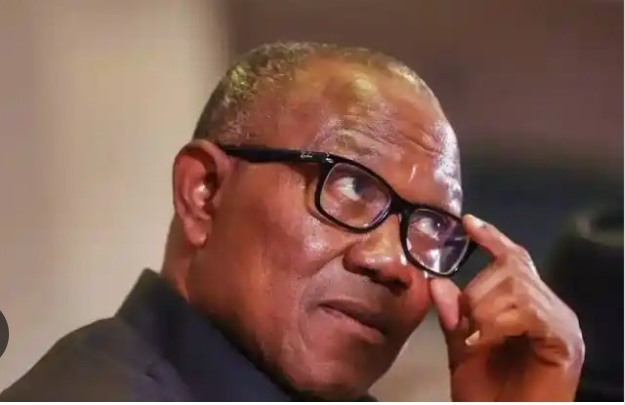
In recent times, the political image of Peter Obi has begun to shift in ways that many Nigerians both his loyal “Obidient” supporters and his critics are finding increasingly difficult to ignore.
Obi was once widely regarded as a symbol of discipline, prudence and a refreshing departure from traditional politics. However, his recent actions have raised genuine questions about whether he still represents a clear alternative to the very system he once criticised.
One of the most pressing concerns is his movement between political platforms within a relatively short period. This pattern, often associated with career politicians, has started to cast him less as a reformer and more as someone searching urgently for a viable route to power. This perception sits uneasily alongside his earlier assurances that he was not desperate to become president.
To understand the weight of this concern, it is important to reflect on his political journey. Obi rose to prominence under the All Progressives Grand Alliance (APGA), the platform on which he was elected governor of Anambra State. Years later, he moved to the Peoples Democratic Party (PDP), where he served as a vice-presidential candidate in 2019. In 2022, he defected to the Labour Party Nigeria (Labour Party), a move that energised millions of young Nigerians and gave birth to the widely recognised “Obidient” movement. More recently, he aligned with the African Democratic Congress (ADC), only to resign again within a short space of time, citing internal challenges.
While political realignments are not unusual in Nigeria, the frequency and timing of these moves have become a source of concern making him look more of a joke than the Messiah everyone thought you could be.
As a former governor of Anambra State, Obi built his reputation on consistency and principle. It is precisely why this perceived inconsistency is proving damaging. To some observers, it risks reducing what was once a serious and inspiring political movement into something less credible. The suggestion that he is “moving” from one party to another creates an impression of urgency that undermines the calm, measured leader many Nigerians came to admire.
It is perhaps unsurprising, then, that some influential voices chose not to align with his campaign, creating space for rival political narratives, including the widely publicised “City Boys” movement.
Another difficult reality lies in the voting pattern from the South East Nigeria, a region widely expected to rally overwhelmingly behind him. While he retained considerable support there, the broader national outcome showed that regional loyalty alone was insufficient to secure widespread victory. Meanwhile, other regions demonstrated stronger alignment with Bola Ahmed Tinubu, reflecting the complex and often unpredictable nature of Nigerian politics.
The truth remains that national leadership demands more than popularity within select regions. It requires sustained coalition-building, patience and strategic consistency qualities that now appear to be under closer scrutiny in Obi’s political journey.
In light of these developments, there is a growing view that stepping back from active politics, even if only temporarily, may serve him well. Such a pause could help preserve the credibility he has painstakingly built over the years and prevent further actions that might weaken his standing.
There is also the looming question of the 2027 presidential race. Should he continue along this path and ultimately fail to secure a strong platform or broad national backing, it could lead to deep disappointment among those who once saw him as a symbol of hope. At times, knowing when to pause is just as important as knowing when to press forward.
Ultimately, Peter Obi remains a significant figure in Nigeria’s political conversation. However, if he is to retain his standing as a respected and distinctive voice rather than blending into the familiar crowd of politicians he may need to embrace reflection, patience and a more consistent strategic approach.
The question many supporters now quietly ask is not just about his next move, but about the future of the vision he once so powerfully represented



Leave a Reply