
By George Omagbemi Sylvester
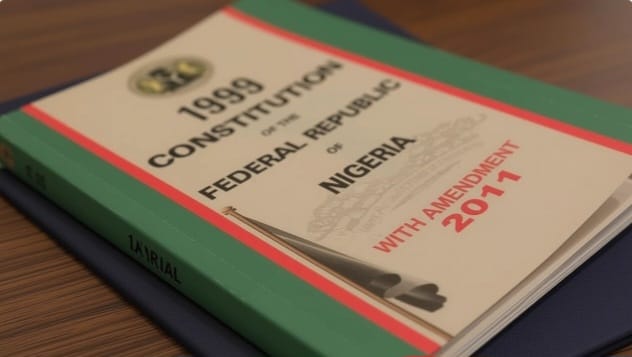
The debate over replacing Nigeria’s 1999 Constitution has resurfaced, with constitutional scholars and legal experts arguing that the country’s supreme law can only derive true legitimacy through the direct mandate of the Nigerian people rather than amendments carried out solely by the National Assembly. The discussion has reignited calls for a constituent assembly and a national referendum to produce a constitution that reflects the collective aspirations of citizens.
Supporters of a people-driven constitutional process contend that the 1999 Constitution, inherited from the military transition to civil rule, lacks broad democratic legitimacy because it was not drafted or ratified by Nigerians through a referendum.
They argue that a new constitution should emerge from an inclusive process involving elected delegates representing all regions, ethnic groups, civil society organisations, professional bodies and other stakeholders before being subjected to a nationwide referendum for approval.
Proponents also believe that such a process presents an opportunity to address long-standing national issues, including restructuring, devolution of powers, fiscal federalism, state policing, resource control, local government autonomy, judicial independence, electoral reforms and the protection of fundamental human rights.
According to them, a people-owned constitution could strengthen national unity, deepen democracy and improve public confidence in governance.
However, constitutional lawyers remain divided on the legal pathway to achieving this objective.
While many insist that sovereignty ultimately resides with the people, others argue that the existing constitutional framework provides no explicit provision for replacing the constitution through a referendum alone without legislative action.
They maintain that any transition must comply with constitutional procedures to avoid creating legal uncertainty or institutional instability.
The renewed constitutional debate highlights a broader national conversation about Nigeria’s democratic future.
Whether through comprehensive amendments or an entirely new constitutional process, many Nigerians agree that meaningful reforms must prioritise inclusiveness, transparency and the genuine participation of citizens in shaping the country’s governance framework.






Leave a Reply