
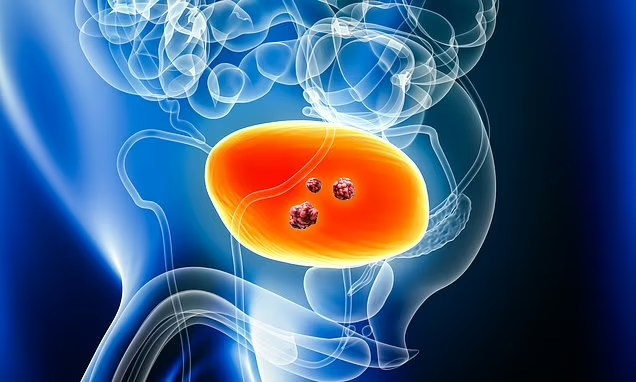

Patients with an aggressive form of bladder cancer may now have an increased chance of survival thanks to a new drug, durvalumab. Studies indicate that this immune-boosting medication can halt the progression of muscle-invasive bladder cancer and prevent further hospitalisations.
Recently, the NHS spending watchdog granted approval for the rollout of durvalumab on the NHS, marking a significant advancement in treatment options. A landmark trial involving over 1,000 patients demonstrated a 32 per cent reduction in the risk of disease progression compared to standard care.
Muscle-invasive bladder cancer (MIBC) represents a more advanced stage of the disease, characterised by cancer cells penetrating the muscle lining of the bladder. Each year, around 18,000 individuals are diagnosed with bladder cancer in the UK, with an estimated one in four presenting with MIBC. Common symptoms include blood in the urine, lower back or abdominal pain, and unexplained weight loss. Despite currently available treatments, approximately half of all patients experience recurrence or progression within five years.
Under the newly recommended regimen, durvalumab will be administered alongside chemotherapy prior to a radical cystectomy—the complete removal of the bladder—and will continue after the surgery. Experts anticipate that around 630 patients annually will be eligible for this therapy.
The approval by the National Institute for Health and Care Excellence (NICE) has been met with enthusiasm from the medical community, with many calling it a “crucial” development for patients. Jeannie Rigby of Action Bladder Cancer remarked, “Any cancer diagnosis has a profound impact—and a diagnosis of muscle-invasive bladder cancer can be life-changing. Access to innovative treatments that can improve survival is crucial.”
Doctors involved in the trial have stated that this new standard of care means that more patients are likely to achieve a cure from this challenging form of cancer. Dr. Syed Hussain, an oncology professor at Sheffield Teaching Hospitals NHS Foundation Trust, commented, “We see a higher subset of patients achieving a cure, and I am delighted to see this has been made available for our patients by NICE.”
Credit: Daily Mail






Leave a Reply