

By Opeyemi Adelakun
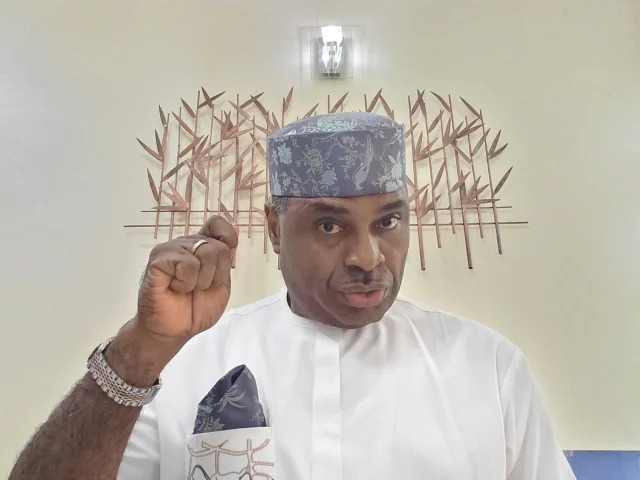
Human rights lawyer and Senior Advocate of Nigeria, Femi Falana, has asked the Economic and Financial Crimes Commission to investigate an alleged N33.75bn gap in federal cash-transfer payments meant for poor and vulnerable Nigerians.
Falana made the demand on Sunday following findings contained in the Auditor-General for the Federation’s 2024 Annual Report on Non-Compliance/Internal Control Weaknesses in Federal Ministries, Departments and Agencies.
The report raised questions over the disbursement of N33.75bn reportedly allocated for cash transfers to more than 3.29 million vulnerable households, after auditors found that the government could not provide sufficient evidence confirming that the money reached genuine beneficiaries.
Falana said the revelation required more than administrative explanations, urging the EFCC to work with the Auditor-General’s office to establish what happened to the funds and recover any money found to have been diverted.
“The EFCC should liaise with the Auditor-General of the Federation,” Falana said, calling for an immediate investigation into the alleged diversion and prosecution of anyone found culpable.
He argued that public funds designed to cushion poverty should not become a source of enrichment for officials entrusted with managing them.
Falana linked the latest development to broader concerns over the management of Nigeria’s social investment programmes.
The National Social Investment Programme Agency was created under the National Social Investment Programme Agency Act 2022 to coordinate and administer major federal interventions targeted at vulnerable Nigerians.
Its responsibilities include managing beneficiary databases, strengthening payment and accountability systems, designing social investment programmes and working with state governments and development partners.
Among the programmes covered by the framework are the National Cash Transfer Programme, N-Power, the National Home-Grown School Feeding Programme, the National Social Safety-Net Programme, the Government Enterprise and Empowerment Programme and the Grant for Vulnerable Groups.
Falana maintained that allegations surrounding the administration of some of these interventions had raised persistent questions about the effectiveness of controls designed to protect public funds.
He recalled that former Humanitarian Affairs Minister, Sadiya Farouq, was investigated by the EFCC over allegations involving more than N37.1bn.
He also noted that a Federal Capital Territory High Court issued an arrest warrant in April 2026 against Farouq and her former Permanent Secretary, Bashir Alkali, following their repeated absence from court for arraignment.
The senior lawyer further referred to the controversy involving former Humanitarian Affairs Minister, Betta Edu, who was suspended in January 2024 after a memo emerged directing the Accountant-General of the Federation to transfer N585m meant for a public intervention programme into a private bank account.
The former Chief Executive Officer of NSIPA, Halima Shehu, was also suspended and questioned over alleged suspicious financial transactions.
Falana said the public deserved to know the outcome of the investigations into both cases.
“By now, the EFCC ought to have concluded its investigation,” he said, stressing the need for clarity on the fate of those involved.
The latest cash-transfer controversy has also prompted Falana to raise concerns about the management of a proposed $3.05bn development package unveiled by President Bola Tinubu in July 2026.
The package, backed by the World Bank, is expected to support poverty reduction, human capital development and economic opportunities.
Falana said the government must put stronger safeguards in place before the funds are deployed to prevent a repeat of what he described as failures associated with earlier social investment schemes.
He proposed an independent monitoring arrangement involving credible civil society organisations to oversee the disbursement of the funds to intended beneficiaries.
“Instead of allowing public officers to feast on the huge funds for poverty reduction in the land,” Falana said, the government should involve credible civil society representatives in the distribution process.
He further claimed that the World Bank could withdraw its support if adequate measures were not taken to prevent diversion of resources.
Accountability Questions Persist
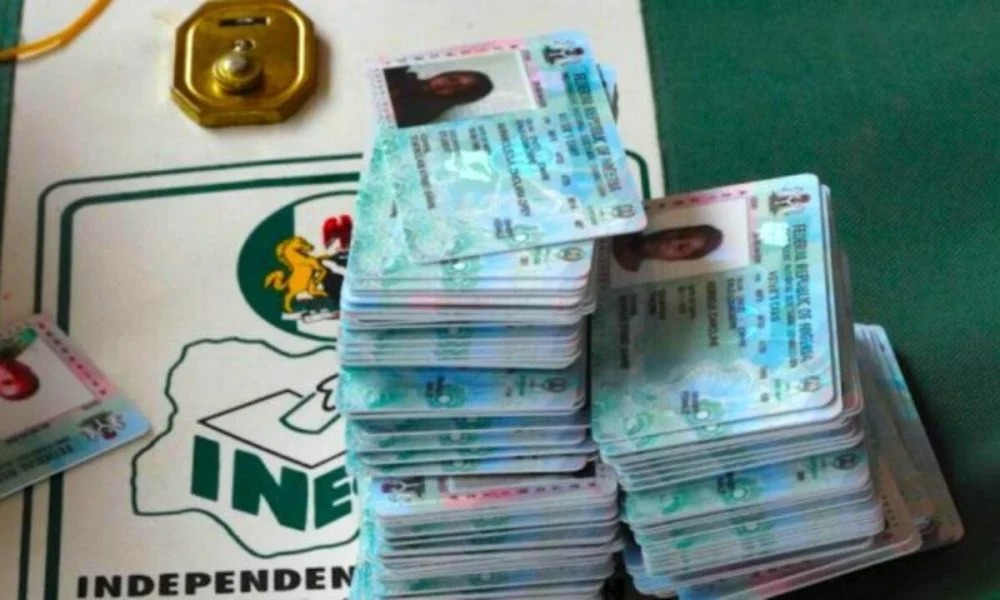
The government has previously introduced measures intended to improve the integrity of social protection payments, including linking beneficiary records with Bank Verification Numbers and National Identification Numbers.
The systems were designed to reduce the risk of ghost beneficiaries and strengthen the tracking of beneficiaries receiving government interventions.
However, the Auditor-General’s latest finding has revived questions over whether those safeguards are working effectively.




Leave a Reply