

By George Omagbemi
There is a painful contradiction in societies where the poor are quickly arrested for stealing food, petty theft or struggling to survive, while powerful individuals accused of mismanaging public resources, abusing office or participating in corruption often appear to escape the consequences of their actions.
Nigeria offers a troubling example of this imbalance.
Across the country, ordinary citizens encounter the full weight of the criminal justice system, sometimes without the financial resources to secure legal representation or meet bail conditions. Meanwhile, allegations involving politically influential individuals can drag through investigations, court proceedings and appeals for years.
This is not an argument that every politician is guilty or that anyone should be imprisoned without evidence. It is an argument that the law must apply equally, regardless of wealth, political connections or public office.
The Nigerian Correctional Service disclosed that, as of February 9, 2026, the country had 80,812 inmates, including 51,955 awaiting trial. That represents approximately 64 per cent of the custodial population. In other words, nearly two out of every three people behind bars had not been convicted.
Behind those figures are human beings, families and lives suspended while justice takes its course. Some may eventually be acquitted, but the years lost cannot simply be returned.
The question is why accountability often appears so difficult when powerful people are involved. Public office should never become a shield against investigation, prosecution or punishment where guilt is established.
Nelson Mandela once said: “Overcoming poverty is not a gesture of charity. It is an act of justice.” His words, delivered during the 2005 Make Poverty History campaign, remind us that justice must address the structures that deny people dignity and opportunity.
When public money disappears, hospitals lack equipment, schools deteriorate, roads collapse and citizens struggle with unemployment and hunger. Those responsible, where evidence establishes wrongdoing, must face the law.
A society cannot claim to uphold justice when the poor fear the police more than corrupt power brokers fear the courts.
Nigeria does not need selective arrests or political persecution. It needs independent institutions, transparent investigations, fair trials and consequences for proven wrongdoing.
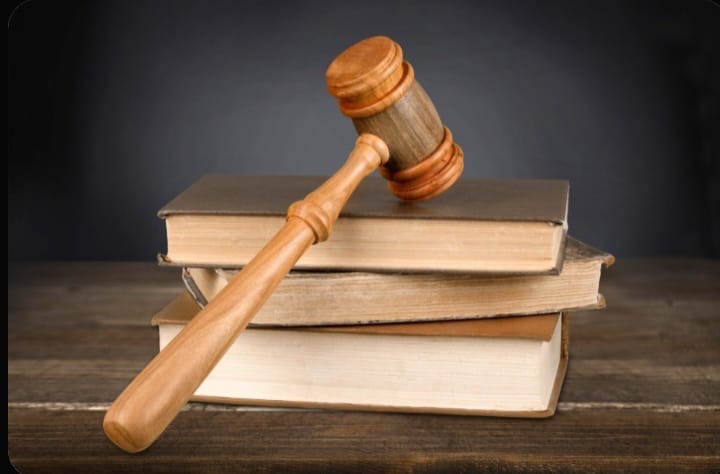
Justice must not recognise political status, financial influence or social class. If the law is truly blind, it must also be fearless.


Leave a Reply