

By George Omagbemi Sylvester
In a nation where faith can elevate leaders to positions of profound influence, a disturbing law enforcement action has exposed the darkest potential of spiritual rivalry. Recently in Bayelsa State, security operatives intervened to prevent an assassination rooted not in political ambition, but in the toxic collision between religious authority and violent underground networks. What unfolded is more than a sensational crime story. It is a stark indictment of leadership devoid of moral compass, a chilling warning about the weaponisation of faith for personal gain and a societal challenge that demands sober reflection and decisive action.
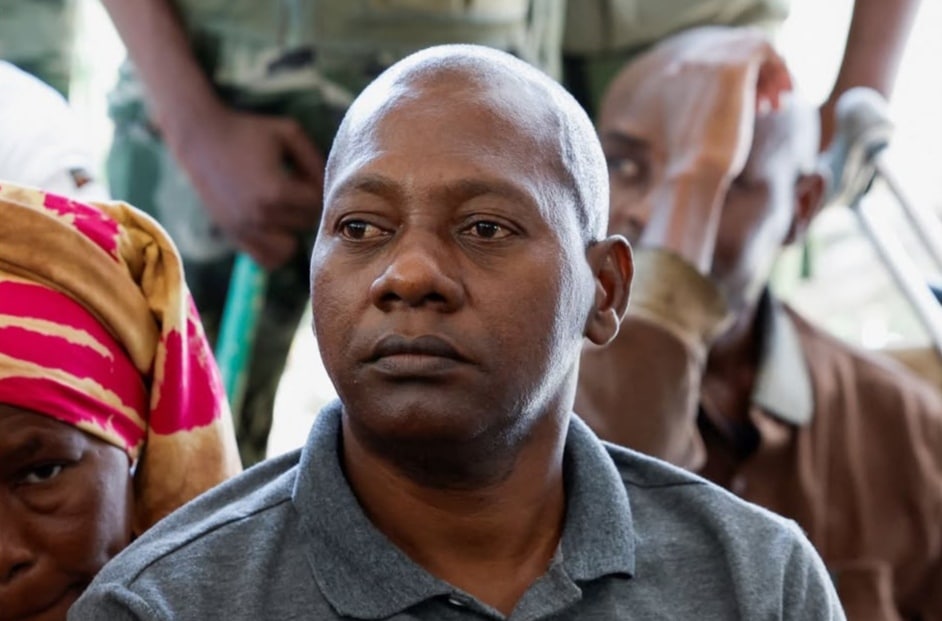
Operatives from the Special Weapons and Tactics Unit of the Bayelsa State Police Command arrested Pastor Elijah Oro, a clergyman originally from Delta State. Authorities allege that Oro contracted a young man embedded in a notorious criminal brotherhood. (known as the Greenlanders confraternity) to carry out a deadly mission against a rival prophet. The pastor and the alleged hitman were taken into custody after credible intelligence led police to foil what they believe was an imminent assassination attempt.
According to official statements, the clandestine plan stemmed from a dispute over church membership and property, a conflict that escalated beyond factional disagreement into a plot to extinguish a human life. Police spokespersons revealed that the suspect recruited to carry out the attack confessed membership in the Greenlanders confraternity upon arrest at the intended victim’s premises.
The very idea that a man of God could be accused of orchestrating murder to settle a spiritual rivalry is jarring. It challenges the fundamental expectation that religious leadership embodies peace, justice, and selfless service. As Dr. Mercy Adediran, a scholar of theology and ethics, explains, “Religious leadership carries with it an obligation to model higher moral character. Faith communities thrive when leaders prioritize reconciliation, not retribution. When those leaders abdicate moral responsibility, the entire fabric of trust unravels.” Adediran’s observation resonates far beyond the immediate case; it points to a systemic vulnerability where spiritual authority meets raw human ambition.
In many societies, faith leaders are entrusted with the spiritual wellbeing of entire communities. They are expected to counsel parishioners in matters of conscience, to guide the vulnerable toward ethical choices, and to wield influence responsibly. When leaders violate that trust (particularly through violence) the consequences ripple far beyond the courtroom. “Leadership is not merely a platform for personal influence,” notes Professor Kunle Oladipo, a sociologist specialising in religious movements. “It is a public trust. When that trust is weaponised for personal disputes, the damage to societal cohesion can be profound and long-lasting.”
This latest arrest is not an isolated anomaly. Across regions where criminal cults and confraternities have taken root, authorities continue to grapple with the unpredictable intersections of underground violence and mainstream society. In Bayelsa, recent history has included episodes of cult-related violence that left communities shaken. These clashes underline how easily organised criminal networks can entangle with broader community life, especially where economic hardship and youth unemployment leave gaps that illicit groups exploit.
Experts emphasise that the problem is not inherent to religious institutions, but arises when the moral authority invested in those institutions is misused. “The tragic irony,” states Dr. Adediran, “is that religious communities have the potential to be powerful agents for conflict resolution. Though when leaders themselves become embroiled in violence, it erodes the very foundation upon which faith stands.”
Law enforcement officials have underscored their commitment to protecting lives and preventing further escalation. Following the arrests, they urged the public to continue providing credible information that can aid in preserving peace and thwarting threats to public safety. The ongoing investigation seeks to clarify whether the alleged plot was an isolated attempt or part of a wider pattern involving third parties.
Beyond law enforcement, this incident raises vital questions about accountability within religious communities. How do congregations hold their leaders responsible when allegations of misconduct surface? What structures exist to ensure transparency in church governance and in the resolution of conflicts that arise within and between congregations? Since violence and criminality contradict the core teachings of mercy, compassion and stewardship that undergird most religious traditions, addressing such questions is not merely administrative; it is essential to preserving the moral legitimacy of spiritual leadership.
Prominent commentators in religious ethics remind us that power without accountability is a breeding ground for corruption. As Professor Oladipo points out, “Whenever influence is concentrated without appropriate checks, the risk of abuse escalates. Faith leaders are no exception. If anything, they require stronger ethical scrutiny precisely because of the profound impact they have on individuals’ lives and societal values.”
For everyday citizens (especially those who dedicate their lives to worship and community service) this story can be deeply unsettling. It forces a reckoning with uncomfortable truths about human nature, organisational structures, and the seductive lure of power. Yet it also offers an opportunity for collective reflection and reform. Civil society organisations, interfaith coalitions, and religious councils play indispensable roles in championing ethical standards and condemning violence unequivocally, regardless of the social status of those accused.
Religious institutions capable of self-critique and internal accountability can turn even this dark moment into a catalyst for renewal. “Reformation begins where there is courage to acknowledge faults,” says Dr. Adediran. “Communities must demand integrity from their leaders. Silence in the face of wrongdoing, especially by those claiming spiritual authority, only enables further harm.”
As the legal process unfolds, the accused remain subjects of ongoing police investigation. In the court of public opinion and within the court of conscience, the allegations have already sparked intense debate about the moral responsibilities of those who claim to speak for the divine.
This case stands as a sobering reminder: when spiritual leadership is co-opted for personal vendettas or political influence, the consequences can tear at the core of communal trust. When faith is misused to cloak violent intent, the very foundations of moral authority are undermined. Yet, in confronting these failings head-on, society affirms a deeper commitment to justice, compassion and the right to life, values that transcend the boundaries of creed and culture.
In a world rife with conflict and competition, religious leaders must be held to the highest ethical standards precisely because their influence shapes the hearts and minds of many. When that influence turns violent, it diminishes all of us. The arrest in Bayelsa should provoke not only legal scrutiny but also profound introspection on how communities select, empower and hold accountable those who claim to lead them spiritually.
What happened here is more than a crime story. It is a mirror reflecting the stakes of moral leadership in any society claiming to value the sanctity of life, the rule of law and the dignity of every human being.





Leave a Reply