

By Ariyo Adeola
Akure, Ondo state. In the theatre of Nigerian politics, victory is often associated with the candidate who mounts the podium, waves to the crowd and eventually raises the certificate of return.
But elections are rarely won on the podium.
Behind the public face of every successful political campaign are networks of organisers, strategists, mobilisers and political actors who spend months, and sometimes years, building the structures that eventually produce results at the ballot box.
One of the less-publicised figures in that category in Osun State is Dr Akindele Adekunle.
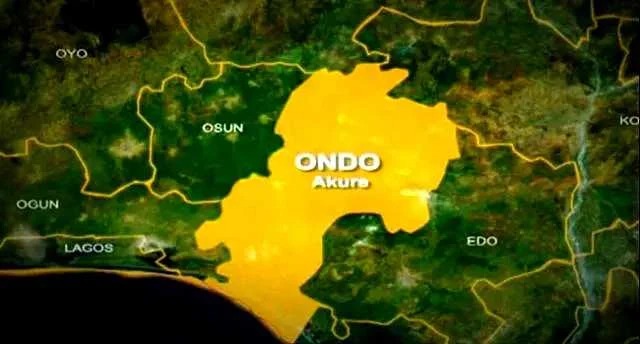
Adekunle’s political journey is particularly intriguing because his story in Osun did not begin with his birth or ancestral roots. He is from Ilutitun in Okitipupa Local Government Area of Ondo State, yet his political activities have taken him deep into the political structure that has supported Governor Ademola Adeleke.
About four years ago, Adekunle was appointed caretaker chairman at a period when the political structure around Adeleke was being consolidated ahead of the 2022 governorship election.
It was a period that demanded more than campaign rallies.
Political structures had to be organised, supporters mobilised, relationships strengthened and electoral interests coordinated across the state.
The eventual outcome was a major breakthrough for Adeleke.
Beyond the governorship, the political structure associated with the movement recorded significant legislative victories, including nine seats in the House of Representatives, three Senate seats and seats in the Osun State House of Assembly.
Those figures provide an important context for understanding the political machinery that emerged around the Adeleke administration.
Adeleke’s emergence as governor was undoubtedly driven by the electorate, the candidate’s political appeal and the broader political dynamics in Osun.
But the result also demonstrated the importance of organisation.
Elections are built around numbers, but numbers are often mobilised through structures.
Ward-level networks, local political leaders, community contacts, campaign coordinators and party stakeholders all contribute to converting political support into votes.
It was within this broader ecosystem that Adekunle’s role became significant.
Rather than occupying the most visible position in the political narrative, his contribution was largely associated with the organisational side of the process.
Four years later, Osun returned to the polls.
The political environment had changed considerably.
Adeleke had moved from the Peoples Democratic Party to the Accord Party, while the APC entered the contest with Bola Oyebamiji as its candidate.
The election again became a major test of political structures in the state.
On August 15, 2026, Adeleke secured re-election after polling 511,067 votes, defeating Oyebamiji, who scored 444,815 votes.
Adeleke won 19 of the state’s 30 local government areas, while the APC candidate won 11.
The result gave Adeleke another four years and placed his political organisation under renewed scrutiny.
According to accounts of the election process, Adekunle was again involved in the political mobilisation surrounding the governor’s re-election.
Whether viewed through the lens of campaign organisation, grassroots engagement or political coordination, his involvement provides an additional perspective on the machinery behind the governor’s second-term victory.
Perhaps the most unusual aspect of Adekunle’s political journey is his origin.
He is an indigene of Ondo State, yet his political experience has become intertwined with one of the most significant political movements in neighbouring Osun.
That trajectory raises a broader question about Nigerian politics: how far can political experience acquired outside one’s home state influence future public-service opportunities and political conversations at home?
For Adekunle, the answer may become clearer with time.
His experience in Osun has exposed him to electoral organisation, grassroots politics, government and the complexities of managing political structures.
Those are experiences that could potentially become relevant beyond the boundaries of the state where they were acquired.




Leave a Reply