
By Dr. Elisa Ehinmilorin
Introduction: A Policy with Bold Intentions
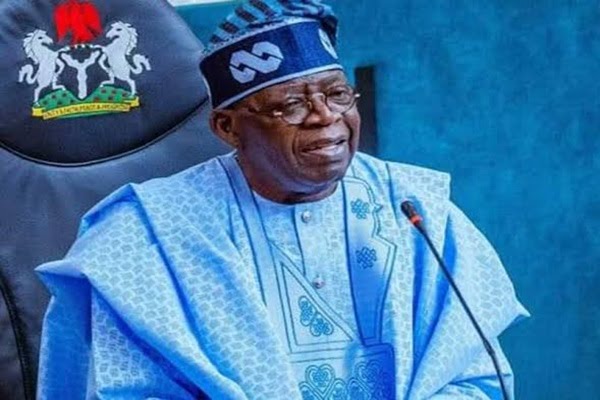
For decades, Nigeria, Africa’s largest crude-oil producer, has paradoxically relied on imported refined products. This long-standing dependency has strained the nation’s economic direction. President Bola Ahmed Tinubu’s recent decision to impose a 15 per cent tariff on imported petrol and diesel represents a bold step toward promoting self-sufficiency.
Despite the sound logic behind this policy, government must tread carefully to avoid an unintended monopoly, particularly in favour of the Dangote Refinery, which already holds a dominant market position. History offers a cautionary tale: unchecked monopoly can stifle competition, discourage innovation, and leave consumers at the mercy of one powerful entity.
Nigeria’s telecommunications revolution provides a compelling parallel. In those markets, limited competition allowed early entrants like Globacom, Airtel, and Etisalat to dominate, resulting in higher consumer prices. When new entrants joined, prices dropped, service improved, and efficiency increased. Monopolistic markets often result in price manipulation, poor service delivery, and limited consumer choice.
While Aliko Dangote’s industrial ambition and patriotic investment deserve recognition, his track record in sectors like cement, sugar, and flour shows a pattern of quality. Government therefore must establish a level playing field where multiple refinery operators—public and private—can thrive under fair competition. Nigerians could then enjoy similar benefits: efficiency, affordability, and innovation.
Dangote’s Market Conduct: Lessons from the Past
The Nigerian Midstream and Downstream Petroleum Regulatory Authority (NMDPRA) and the Federal Competition and Consumer Protection Commission (FCCPC) must strengthen oversight, enforce anti-monopoly laws, and guarantee transparent access to crude supply for all refiners.
Lessons from the American Experience
The United States provides instructive examples of how governments can dismantle monopolies to create competitive, innovative markets. Standard Oil (1911) was broken up by the U.S. Supreme Court, paving the way for Silicon Valley’s explosion of start-ups. AT&T (1982) was dismantled, ending its control over long-distance service. Microsoft (1998) was forced to open its software distribution. Airline deregulation in 1978 allowed the sector to flourish, resulting in lower prices, regional diversity, and a more dynamic energy sector.
Healthy Competition as the Engine of Efficiency
The antidote to monopoly is healthy competition. When several refineries operate under transparent, rules-based conditions, they compete on cost, efficiency, and service quality, yielding better outcomes for consumers. Just as the U.S. unbundled its energy market to encourage private participation, Nigeria should promote regional energy competition, renewable investments, and support to private and modular refineries to diffuse market concentration.
President Tinubu must now bring similar reformist energy to Nigeria’s power sector, which remains over-centralised and inefficient. A nation of over 200 million people cannot thrive on a monolithic electricity system plagued by generation, transmission, and distribution bottlenecks. Breaking monopolistic barriers in the power sector would attract new players, create jobs, reduce outages, and empower industries that drive national growth.
Policy Recommendations for Sustainable Implementation
- Encourage Multiple Refining Players: Offer tax incentives and infrastructural support to private and modular refineries.
- Strengthen Regulatory Oversight: Empower NMDPRA and FCCPC to monitor market conduct.
- Ensure Equal Access to Crude Feedstock: All refineries should obtain crude at fair market rates through transparent processes.
- Establish Market Information Systems: Regularly publish data on production and pricing to enhance accountability.
- Protect Consumer Interests: Create feedback and redress channels against exploitative practices.
Conclusion: The Courage to Reform
President Tinubu’s administration deserves commendation for its political will to pursue structural reforms that previous governments shied away from. The 15 per cent tariff on imported petrol and diesel can be a landmark success if implemented with strong competition safeguards and extended to other vital sectors like power. America’s example proves that competition more than courage; it demands fairness and vigilance.
Dr Elisa Ehinmilorin, Public Affairs and Economic Analyst, writes from Los Angeles, California, USA.





Leave a Reply