
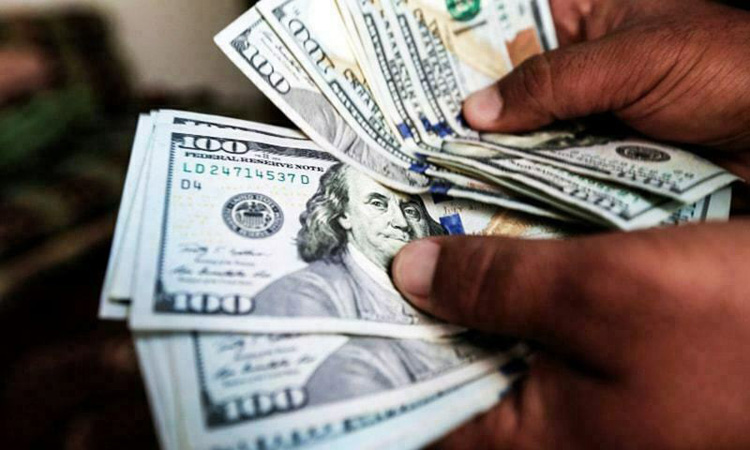
The Nigerian currency market opened the first full trading Friday of 2026 with mixed signals, as the naira showed relative stability against the United States dollar while remaining under pressure against the British Pound across both the official and parallel foreign exchange markets.
Data from the Nigerian Foreign Exchange Market (NFEM) and the informal market on Friday, January 2, 2026, indicated cautious trading as market participants adjusted to the new year’s economic conditions amid lingering inflationary pressures and ongoing Central Bank interventions.
In the official NFEM window, the British Pound traded at about ₦1,949 to £1 at the start of the day. The rate recorded mild fluctuations in the early hours, briefly touching ₦1,951 before easing to around ₦1,948 by 6:00 a.m. The narrow trading band suggested a measured approach by institutional players and the Central Bank of Nigeria (CBN) as liquidity is managed during the holiday-shortened trading week.
By contrast, the naira maintained a steady position against the United States dollar at the official market. As of the morning of January 2, 2026, the exchange rate was quoted at ₦1,446.62 per dollar. This performance followed a period of gradual appreciation, with the naira strengthening by about 6.43 per cent over the past 12 months from the historic low of ₦1,717.50 recorded in late 2024. Traders continued to monitor market liquidity as corporate demand for foreign exchange resumes with the end of the holiday season.
In the parallel market, the British Pound continued to trade at a premium, reflecting immediate accessibility and informal demand. Currency dealers in major centres such as Lagos and Abuja reported exchange rates ranging between ₦1,980 and ₦2,010 to the pound, depending on transaction size and location. Although the gap between the official and parallel markets persisted, it remained within a relatively manageable range compared with the wider spreads recorded in previous years, pointing to ongoing efforts at market unification.
Parallel market activity for the dollar also reflected a slightly wider margin than the official rate, consistent with periods of renewed economic activity. However, market participants noted that the spread between the NFEM and the informal market has narrowed significantly, a development attributed to improved transparency in the official window and consistent interventions by monetary authorities.
Analysts identified several factors influencing exchange rate movements as 2026 begins. Seasonal remittances from Nigerians in the United Kingdom were said to be providing some support for the naira, helping to limit sharper depreciation against the pound. At the same time, persistent domestic inflation continued to weigh on the currency’s purchasing power.
Other key considerations include the country’s foreign reserve position, which recent reports indicate remains stable, giving the CBN some buffer to manage volatility. Oil revenue, Nigeria’s primary source of foreign exchange, also continues to play a critical role, with steady production levels and global oil prices supporting the naira. Investors are equally awaiting the first Monetary Policy Committee meeting of the year for signals on interest rates and inflation management.
As trading continues, analysts expect exchange rates to remain sensitive to global trends in the strength of the British Pound and the US dollar, oil price movements and any fresh policy signals from the Central Bank, while volatility is projected to remain relatively low until full business activities resume in the coming week.






Leave a Reply